SAFETY FIRST
★★★★★
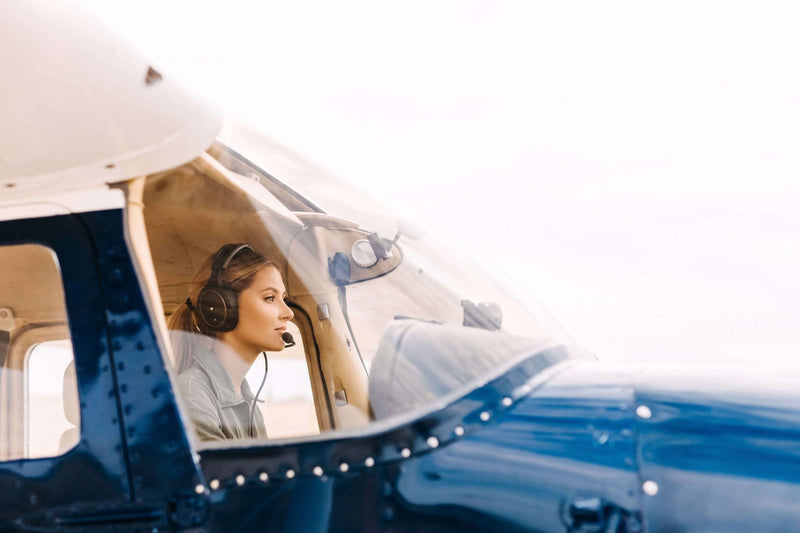
Very safety and detail oriented. Pre-flight briefing explained everything there was. To my knowledge, this flight school is exceptional in their ability.

A preflight is three checks, not one. Check yourself with IMSAFE. Check the flight with the preflight action 14 CFR 91.103 requires: weather, fuel, runway lengths and performance. Then check the airplane with a walkaround inspection, in the order your POH lists. This page gives the whole sequence for a typical piston trainer, as we teach it on the ramp at Van Nuys.
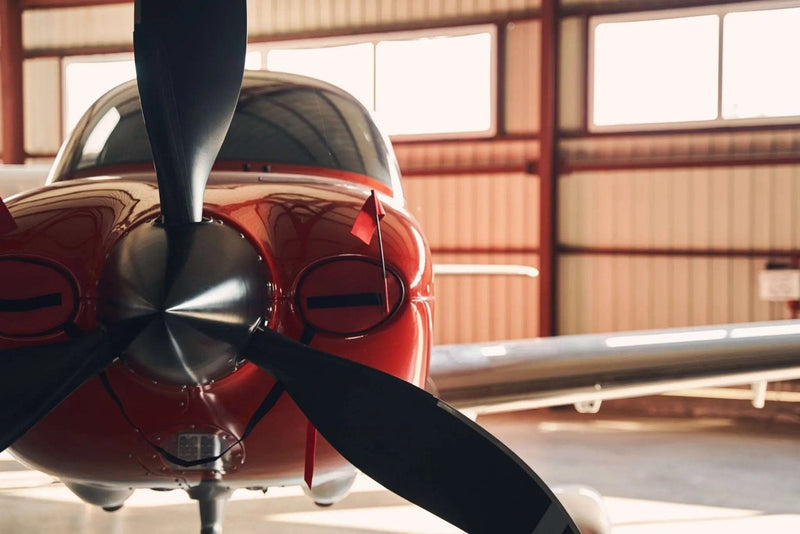
An aircraft on the Van Nuys ramp, where every lesson starts with the walkaround.
A preflight inspection is the check a pilot in command makes before every flight to be sure the pilot, the airplane and the plan are fit to fly. The walkaround is the part people see. The regulation asks for more.
Three rules set the frame. 14 CFR 91.7 makes the pilot in command responsible for determining whether the aircraft is in condition for safe flight. 14 CFR 91.103 requires the pilot to become familiar with all available information concerning the flight. And 14 CFR 91.9 requires the pilot to follow the operating limitations in the approved flight manual or POH, which is where the airplane’s own preflight checklist lives.
The FAA’s Airplane Flying Handbook (FAA-H-8083-3C), Chapter 2, describes the preflight assessment of the aircraft, and the Pilot’s Handbook of Aeronautical Knowledge (FAA-H-8083-25C), Chapter 2, gives the two tools for checking yourself and the flight: IMSAFE and PAVE. The Private Pilot ACS tests all of it under Preflight Preparation and Preflight Procedures, so the habit you build on lesson one is the one an examiner watches on the checkride.
One rule before the checklist below: it is a teaching outline, not a replacement for the POH. Use the checklist for the airplane you are flying, every time.
91.103 is short. It applies to every pilot in command on every flight, and it sets out what familiar with all available information has to include.
| 91.103 Requires | Applies To | What It Means In Practice |
|---|---|---|
| Weather reports and forecasts | IFR flights and any flight not in the vicinity of an airport | A full briefing: METARs, TAFs, area forecasts, AIRMETs, SIGMETs and pilot reports |
| Fuel requirements | IFR flights and any flight not in the vicinity of an airport | Fuel for the trip plus the 91.151 reserve: 30 minutes by day VFR, 45 at night |
| Alternatives if the flight cannot be completed | IFR flights and any flight not in the vicinity of an airport | A diversion airport chosen before you go, not after |
| Known traffic delays from ATC | IFR flights and any flight not in the vicinity of an airport | Delays, closures and flow programs, often from NOTAMs |
| Runway lengths at airports of intended use | Every flight | Check every runway you plan to use against the airplane’s needs |
| Takeoff and landing distance information | Every flight | From the approved flight manual, corrected for weight, temperature, pressure altitude, wind and runway |
Notice that a local flight in the vicinity of the airport still needs runway lengths and takeoff and landing data. Weather is covered in depth on our Aviation Weather Briefing guide.
IMSAFE is the FAA’s six-item self-check from the Pilot’s Handbook of Aeronautical Knowledge. It is the one checklist with no POH version.
Do I have any symptoms? A cold you would ignore at a desk can block your ears in a descent. Under 14 CFR 61.53, you may not fly while you know of a medical condition that would make you unable to meet your medical certificate’s requirements.
Am I taking anything, prescription or over the counter, that could affect me? Many common antihistamines cause drowsiness. Check with an Aviation Medical Examiner if you are not sure.
Is anything at work, at home or about this flight pulling at my attention? Stress shortens the attention you have for the airplane.
14 CFR 91.17 bans flying within 8 hours of drinking, with a blood alcohol concentration of 0.04 or more, or while under the influence. Many pilots set a longer personal limit.
Did I sleep enough? Fatigue degrades judgment before you notice it.
Am I upset, angry or grieving? Strong emotion narrows judgment in the same way stress does.
PAVE groups the risks of a flight into four areas. Pilot: currency, experience, IMSAFE. Aircraft: airworthiness, equipment, fuel and performance for this mission. enVironment: weather, terrain, airspace, runway and lighting. External pressures: the meeting, the passengers waiting, the wish to get home. Name that last one out loud before engine start. The PHAK pairs PAVE with personal minimums, which are your own limits, set on the ground, stricter than the regulation.
An airplane can look perfect on the ramp and still not be airworthy on paper. Confirm these before the walkaround, or ask your school to show you where they are recorded.
| Item | Requirement | Regulation |
|---|---|---|
| Airworthiness certificate | Aboard and displayed at the cabin or cockpit entrance | 14 CFR 91.203 |
| Registration certificate | Aboard and current | 14 CFR 91.203 |
| Operating limitations | Approved flight manual or POH, markings and placards | 14 CFR 91.9 |
| Weight and balance | Current data for the aircraft, used for this load | 14 CFR 91.9, 91.103 |
| Annual inspection | Within the preceding 12 calendar months | 14 CFR 91.409(a) |
| 100-hour inspection | For an aircraft used to give flight instruction for hire, within the preceding 100 hours | 14 CFR 91.409(b) |
| ELT | Inspected within the preceding 12 calendar months | 14 CFR 91.207(d) |
| Transponder | Tested within the preceding 24 calendar months | 14 CFR 91.413 |
| Airworthiness directives | Complied with, as recorded in the maintenance records | 14 CFR 91.403, 91.417 |
For IFR flight in controlled airspace, two more apply: the altimeter and static system test within 24 calendar months under 91.411, and a VOR check within 30 days under 91.171 if you will navigate by VOR. The aircraft we fly at Van Nuys are on a 100-hour cycle because they are used for instruction for hire, as 91.409(b) requires.
Most single-engine trainers are inspected in a loop that starts at the cabin and ends where it began. The order below is typical; your POH sets the actual items and sequence.
Confirm the airworthiness certificate, registration, operating limitations and current weight and balance are aboard. Remove the control lock, check the magnetos are off, and use the master switch only as the POH directs to check fuel gauges, flaps and lights.
Walk aft along the left side looking for skin damage and loose rivets or fasteners. At the tail, check the horizontal and vertical stabilizers, elevator or stabilator, rudder and trim tab for free movement, secure hinges and cotter pins, and remove any tail tie-down.
Check the right flap and aileron for damage, secure hinges and attach points, and full free movement. Look along the wingtip and position light, and check that nothing is bent, cracked or loose.
Check the leading edge for dents, the fuel vent for blockage, and the fuel quantity by looking into the tank before securing the cap. Take a sample from each sump and check it for water, sediment and the right color and smell.
Inspect the tire for wear, cuts and correct inflation, the brake line and disc for leaks and wear, and the strut and fairing for damage. Remove the right wing tie-down and any chock.
Check the oil level against the POH minimum, secure the cap and dipstick, and look inside the cowling for leaks, loose wires and bird nests. Check the propeller and spinner for nicks and cracks, the air intake for blockage, and the nose gear tire and strut.
Repeat the wing checks on the left side, including fuel quantity, cap and every sump. Remove the pitot tube cover, check the pitot tube and static ports are clear, and test the stall warning if the POH calls for it.
Inspect the left tire, brake and strut, remove the last tie-down and chocks, and confirm nothing is still attached to the airplane: tie-down ropes, covers, tow bar or fuel sampler.
Step back and look at the whole airplane and the area around it. Check that the taxi path is clear, the baggage door is latched and the airplane sits level on its gear before you climb in.

Fuel contamination and wrong fuel quantity are two of the most avoidable causes of engine failure. The Airplane Flying Handbook treats both as essential preflight items.
Look in the tanks. Fuel gauges in light airplanes are not reliable enough to be the only check. Open each cap and look, or use a calibrated dipstick if the airplane has one, and compare the result with what the fuel log says.
Sample every drain. Take a sample from each sump the POH lists, before the first flight of the day and after every refueling. Water is heavier than fuel and sits at the bottom of the sampler as a clear bead or bubble. Keep draining until the sample is clean. 100LL avgas is dyed blue; a sample that is clear or straw-colored may be jet fuel or automotive fuel, and the airplane does not fly until you know why.
Check the oil. Use the dipstick and compare the reading with the minimum and normal range in the POH. Make sure the cap and dipstick are secure afterwards, because an unsecured cap can let oil escape over the windshield in flight.

The loop is the same on every trainer, but the reach is not. Here is what changes, in general terms; the POH gives the details for each type.
Fuel caps sit on top of the wing and are easy to reach, so a visual fuel check takes seconds. The sumps are underneath, so you crouch for them. Check the wing walk area and step, and remember the main gear and brakes are close to the ground and easy to miss. See our Piper Warrior page.
The fuel tank is up in the wing, so a visual check usually needs a step or ladder. The strut and its attach points become inspection items. The cabin door gives an easy view of the controls. See our Cessna 162 Skycatcher page.
Retractable gear adds gear doors and actuators; a twin doubles the engine checks; composite airframes call for checks the POH lists. Each needs its own checkout under the Aircraft Checkout Requirements before you fly it.
Some preflight items matter more in Los Angeles than elsewhere. These are the ones our instructors stress on the ramp at Van Nuys.
Performance on hot days. Van Nuys sits at about 800 feet above sea level, and summer afternoons in the San Fernando Valley are hot. Density altitude lengthens the takeoff roll and cuts climb. 91.103(b) asks for takeoff and landing distance data from the flight manual, and on a hot day with a full airplane that is when the chart gets used.
Marine layer and NOTAMs. Low cloud often covers the valley on summer mornings and clears by midday. Check the ATIS, the forecast and the NOTAMs, including temporary flight restrictions for fires and events, before you walk out. The airspace overhead is mapped on our Van Nuys Airspace page and in Airspace Classes Explained.
Transponder and avionics. Van Nuys is inside the LAX Mode C veil, so the transponder and ADS-B Out are go items, not nice-to-haves. Know the codes in our Squawk Codes guide, and check the instruments as described in Flight Instruments Explained during the taxi out past the Runway Markings And Airport Signs.
Preflight is tested on the Private Pilot ACS and on every checkride in our FAA Checkride Guide. Students in our Private Pilot Program do the walkaround themselves from the first lessons, with an instructor watching, until it is a habit.

A $229 discovery flight starts on the ramp at Van Nuys with a walkaround alongside an instructor, then you fly the airplane yourself for the lesson. It is the right place to see this checklist done for real.
7900 Balboa Blvd. Suite 108A, Van Nuys, CA 91406 · (818) 290-8249 · Open 9am–9pm, seven days · 5.0 from 120+ Google reviews
14 CFR 91.103 requires the pilot in command to become familiar with all available information concerning the flight. For every flight that includes runway lengths at airports of intended use and takeoff and landing distance data from the approved flight manual. For IFR flights and any flight not in the vicinity of an airport it adds weather reports and forecasts, fuel requirements, alternatives if the flight cannot be completed, and known traffic delays from ATC.
IMSAFE stands for Illness, Medication, Stress, Alcohol, Fatigue and Emotion. It is the personal checklist the FAA teaches in the Pilot’s Handbook of Aeronautical Knowledge for deciding whether you are fit to fly. Run it before every flight, on the ground. Older materials sometimes use Eating in place of Emotion. Either way, a no on any item is a reason to postpone, and the regulation on alcohol, 14 CFR 91.17, sets an 8-hour minimum.
PAVE stands for Pilot, Aircraft, enVironment and External pressures. It is the FAA’s framework for identifying the risks of a particular flight before you go. Pilot covers health, currency and experience. Aircraft covers airworthiness, equipment, fuel and performance. Environment covers weather, terrain, airspace and the airport. External pressures covers schedules and people waiting, which are often what push pilots into flights they should not make.
A walkaround of a single-engine trainer usually takes 15 to 30 minutes for a student, getting quicker with practice, and longer before the first flight of the day or when anything looks wrong. Briefing weather, NOTAMs and performance under 91.103 takes additional time before you walk out. Do not rush it to save time on a rented airplane. Our lessons at Van Nuys allow time for a full preflight on the ramp.
Pilots sample fuel to find water, sediment and the wrong grade of fuel before the engine does. Water can condense in partly full tanks or arrive from a contaminated supply, and because it is heavier than fuel it collects at the sumps. A sample also shows the color: 100LL avgas is blue. The Airplane Flying Handbook calls for draining each sump listed in the POH, and many pilots do it before every flight and after each refueling.
The regulations require the result rather than a specific walkaround. 14 CFR 91.7 makes the pilot in command responsible for determining that the aircraft is in condition for safe flight, 91.103 requires preflight action, and 91.9 requires compliance with the flight manual, which contains the manufacturer’s preflight checklist. In practice a pilot cannot meet those duties without inspecting the airplane, and examiners test the preflight on every practical test.
Use a generic checklist to learn the logic, but fly with the checklist from the POH or approved flight manual for the aircraft you are flying. Items, limits and order differ between types and even between models of the same type: oil quantities, fuel drains, flap checks and electrical tests all vary. The walkaround on this page is a general outline for a piston trainer, and your instructor will teach the checklist for your airplane.
Anything that makes the airplane unairworthy or that you cannot explain should stop the flight until someone qualified looks at it. Common examples are water that keeps appearing in fuel samples, oil below the POH minimum, a damaged propeller, a flat or worn tire, a control surface that binds, missing documents or an inoperative instrument the flight requires. Report it, note it, and do not fly until it is resolved.
Every rule on this page traces to Title 14 of the Code of Federal Regulations, the Aeronautical Information Manual or an FAA handbook or advisory circular. These links open the primary source.
Regulatory requirements are from the current 14 CFR Part 91. IMSAFE and PAVE are from the Pilot’s Handbook of Aeronautical Knowledge, Chapter 2; the walkaround outline follows the Airplane Flying Handbook, Chapter 2. The walkaround is a general teaching outline: the POH or approved flight manual for your aircraft governs.
The three private pilot packages, what each one includes, the financing options and a realistic timeline built around how often you can actually fly. Sent to you in one email. Nobody will pressure you.
Loved On Google
Every review below is real and shown verbatim, in the reviewer’s own words — written by the people who learned to fly here, not by us.
SAFETY FIRST
Very safety and detail oriented. Pre-flight briefing explained everything there was. To my knowledge, this flight school is exceptional in their ability.
 DISCOVERY FLIGHT
I recently had the chance to take my first-ever discovery flight, and it was nothing short of amazing! From the moment I stepped into the cockpit, the...
 SUNSET CIRRUS
It was a great flight! I did a sunset flight and Alex let us fly an awesome. Website was easy to book, and the plane itself was really fun to fly...
 FLYING LESSON
We had a great flying lesson with Ralph and came away with a much better understanding of both the aircraft and the principles of flight. Ralph is a...
 KIDS LUXURY FLIGHT
I got 2 luxury discovery flights for my kids. I wanted them to have the experience of flying. Our instructor Alex was amazing he made sure they feel...
 HONEYMOON SURPRISE
Last minute booking to surprise my wife on our honeymoon. She had no experience with flying and was scared of flying, but Alex was very easygoing and knew...
 FULL-MOTION SIM
Amazing flight school in van nuys airport. I have been a student here for the past few months and i could not be happier. I started doing a lot of...
 DISCOVERY FOR TWO
I booked a Discovery Flight for Two for my girlfriend's birthday and it was the perfect gift for her. She couldn't have been more excited to get to...
 SIMULATORS
Very professional and great airplanes. I love the flight simulators. The pricing is very fair compared to any other flight school
 TEEN FIRST LESSON
We gifted our teenage son his first flying lesson. He was so excited! Alex greeted us and gave a reassuring brief that made us all feel comfortable and at...
 FIRST-TIME FLYER
Flying is my husband's hobby and I was incredibly anxious and apprehensive about the discovery flight. However, I felt completely safe and at ease once we...
SAFETY FIRST
Very safety and detail oriented. Pre-flight briefing explained everything there was. To my knowledge, this flight school is exceptional in their ability.
DISCOVERY FLIGHT
I recently had the chance to take my first-ever discovery flight, and it was nothing short of amazing! From the moment I stepped into the cockpit, the...
SUNSET CIRRUS
It was a great flight! I did a sunset flight and Alex let us fly an awesome. Website was easy to book, and the plane itself was really fun to fly...
FLYING LESSON
We had a great flying lesson with Ralph and came away with a much better understanding of both the aircraft and the principles of flight. Ralph is a...
KIDS LUXURY FLIGHT
I got 2 luxury discovery flights for my kids. I wanted them to have the experience of flying. Our instructor Alex was amazing he made sure they feel...
HONEYMOON SURPRISE
Last minute booking to surprise my wife on our honeymoon. She had no experience with flying and was scared of flying, but Alex was very easygoing and knew...
FULL-MOTION SIM
Amazing flight school in van nuys airport. I have been a student here for the past few months and i could not be happier. I started doing a lot of...
DISCOVERY FOR TWO
I booked a Discovery Flight for Two for my girlfriend's birthday and it was the perfect gift for her. She couldn't have been more excited to get to...
SIMULATORS
Very professional and great airplanes. I love the flight simulators. The pricing is very fair compared to any other flight school
TEEN FIRST LESSON
We gifted our teenage son his first flying lesson. He was so excited! Alex greeted us and gave a reassuring brief that made us all feel comfortable and at...
FIRST-TIME FLYER
Flying is my husband's hobby and I was incredibly anxious and apprehensive about the discovery flight. However, I felt completely safe and at ease once we...
Reviews shown verbatim, exactly as each reviewer published them.
Aviation News
Notes from the flight line at Van Nuys — weather, regulation changes, checkride questions and the cost of training, written up as they come.
Open 7 days · 9:00 AM – 9:00 PM
Los Angeles Flight School