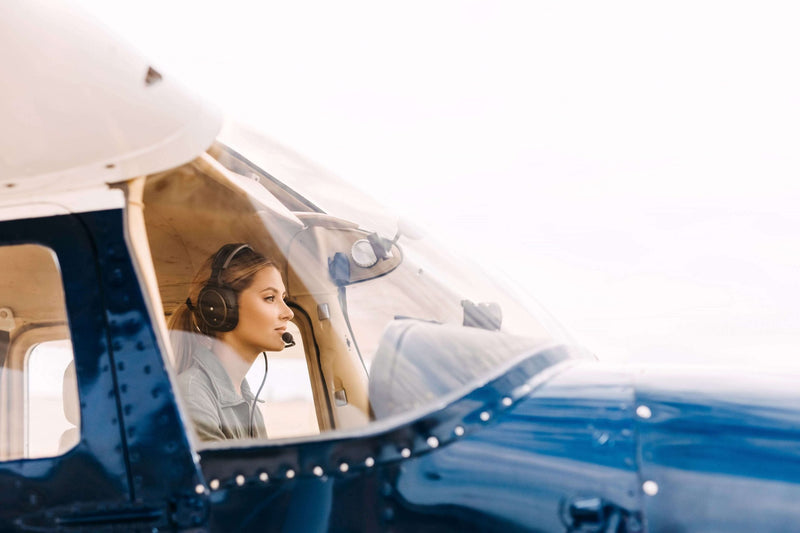
Start with a discovery flight. $229 for 60 minutes. It is a lesson, not a ride: you are in the left seat, you handle the controls, and the time is loggable dual instruction that counts toward your certificate. Enroll within 24 hours and the whole $229 comes off the program price.
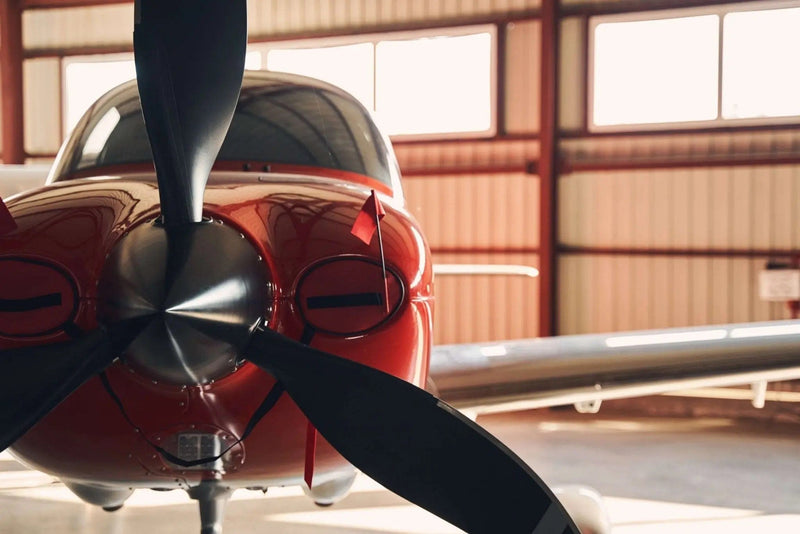
Private pilot is what most people are here for. FAR 61.109 sets the legal minimum at 40 hours and the national average lands between 60 and 75. Standard is $10,900 and built on 40 logged hours. Comprehensive is $15,900 and built on 60, which is why most students finish inside it without paying more. Premium is $22,500 and flown entirely in the Cirrus SR22 Turbo.
Sport pilot is $8,400. Shorter, cheaper, and genuinely limited — daytime VFR in light aircraft. If you want to carry three passengers to Big Bear on a Friday night it is the wrong certificate, and we will tell you that before you pay.
The Solo Certificate at $5,500 takes you to first solo and stops. It exists for people who want proof they can do this before committing to the whole thing.
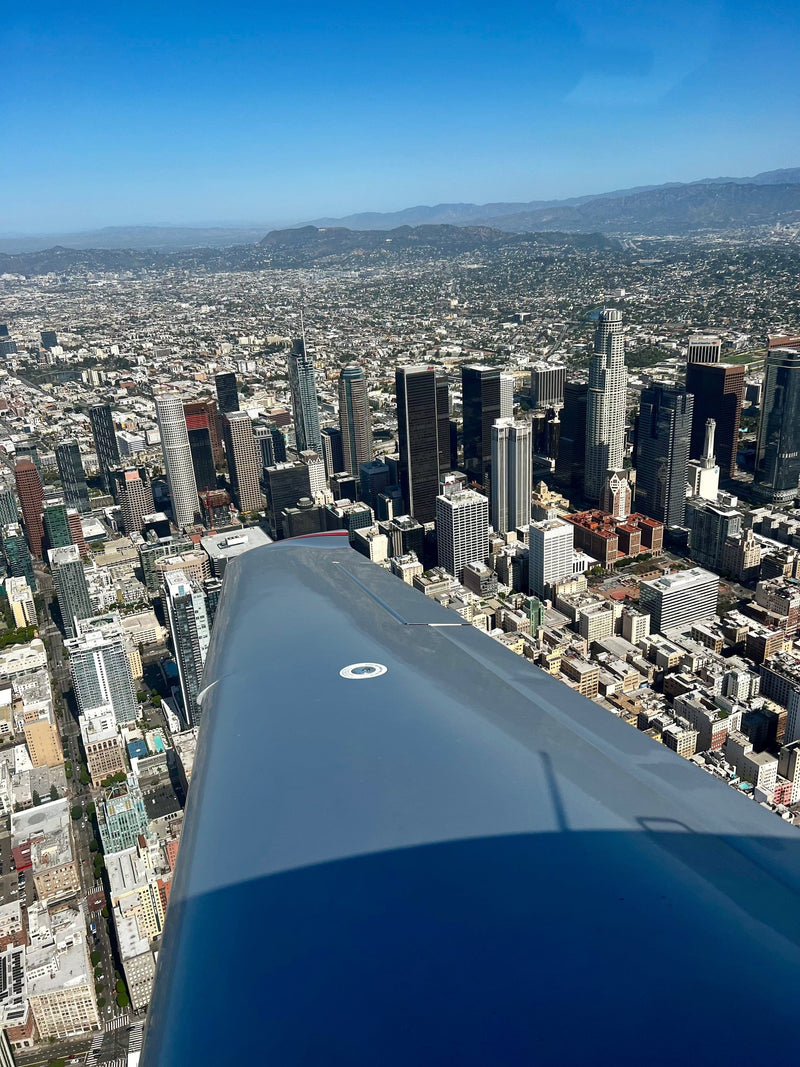
Instrument rating at $11,700 is the rating that makes a certificate useful in this city, because it converts a gray June morning from a cancellation into a departure. Multi-engine is a $5,100 add-on in the Piper Seminole. Commercial and the zero-to-airline path is $89,000 from no certificate to airline-ready.
Teen aviation runs $4,200 for ages 10 to 15. They cannot solo at that age. They can fly the aircraft, learn the airspace and log real time that carries forward. Redbird MCX simulator sessions are $189 and are the cheapest useful hour in aviation.
Enrolled students fly at $179 an hour, wet, single-engine.


 Most Given