SAFETY FIRST
★★★★★
Very safety and detail oriented. Pre-flight briefing explained everything there was. To my knowledge, this flight school is exceptional in their ability.

Every school claims to be the best. Instead of claiming, here's the 7-point checklist experienced pilots use to evaluate any flight school — and our straight answers to each, so you can hold every school in LA to the same standard.
Courses & Pricing
Course prices are packages, not hourly rates - the aircraft, your instructor, ground school and simulator time are all in the figure. Van Nuys Airport, KVNY. Financing Available Through Stratus & In-House Plans.

Start Here
The First Hour At The Controls. Credited Toward Your Training If You Enroll Within 24 Hours Of Landing.
All Prices In USD. 7900 Balboa Blvd, Suite 108A, Van Nuys, CA 91406 · Open 9 AM–9 PM, Seven Days. Free In-Person Tour Of The School
Book It Or Gift It
Every discovery flight below can be booked for yourself in the next few minutes, or bought as a gift certificate that is emailed within minutes and never expires. Same flight, same price, either way.
 Most Given
 Two Seats
 The Nice One
 Twin Engine
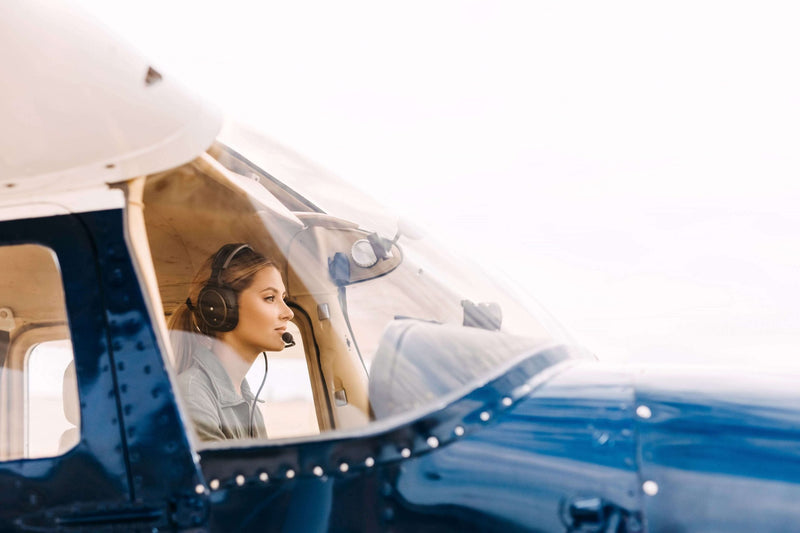
One person, one instructor, and no audience. Hands on the controls from the left seat, briefed before you go and debriefed after you land.
Hands-On Stick TimePre-Flight BriefingLoggable Flight Time
Flight Length
$229Book It Or Gift It
Same Price Either Way
The same flight with a passenger in the back seat, briefed and on the intercom. Couples book it; so do parents who would rather watch than hear about it.
One Passenger SeatPiper Warrior Or ArcherHeadsets For Both
Flight Length
$299Book It Or Gift It
Same Price Either Way
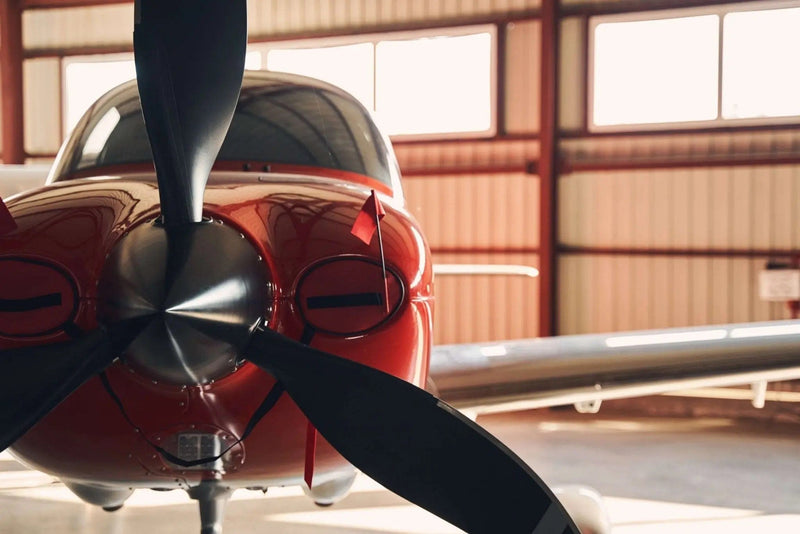
The nicest airplane we put a first-time flyer in. Glass cockpit, air conditioning, leather seats, and a parachute built into the airframe rather than strapped to the person.
Turbocharged Cirrus SR22Air ConditioningWhole-Airframe Parachute
Flight Length
$399Book It Or Gift It
Same Price Either Way
Two engines, and the airplane instrument-rated pilots move into when they start thinking about a career. Flown from the left seat with a multi-engine instructor.
Piper Seminole TwinMulti-Engine DepartureCareer-Track Instructor
Flight Length
$499Book It Or Gift It
Same Price Either Way
Gift It issues a real gift certificate, emailed within minutes, which never expires and credits in full toward training. Flights are limited to 180 lb per person, 370 lb combined. Questions: (818) 290-8249, 9 AM–9 PM, seven days.
SAFETY FIRST
Very safety and detail oriented. Pre-flight briefing explained everything there was. To my knowledge, this flight school is exceptional in their ability.
 DISCOVERY FLIGHT
I recently had the chance to take my first-ever discovery flight, and it was nothing short of amazing! From the moment I stepped into the cockpit, the...
 SUNSET CIRRUS
It was a great flight! I did a sunset flight and Alex let us fly an awesome. Website was easy to book, and the plane itself was really fun to fly...
 FLYING LESSON
We had a great flying lesson with Ralph and came away with a much better understanding of both the aircraft and the principles of flight. Ralph is a...
 KIDS LUXURY FLIGHT
I got 2 luxury discovery flights for my kids. I wanted them to have the experience of flying. Our instructor Alex was amazing he made sure they feel...
 HONEYMOON SURPRISE
Last minute booking to surprise my wife on our honeymoon. She had no experience with flying and was scared of flying, but Alex was very easygoing and knew...
 FULL-MOTION SIM
Amazing flight school in van nuys airport. I have been a student here for the past few months and i could not be happier. I started doing a lot of...
 DISCOVERY FOR TWO
I booked a Discovery Flight for Two for my girlfriend's birthday and it was the perfect gift for her. She couldn't have been more excited to get to...
 SIMULATORS
Very professional and great airplanes. I love the flight simulators. The pricing is very fair compared to any other flight school
 TEEN FIRST LESSON
We gifted our teenage son his first flying lesson. He was so excited! Alex greeted us and gave a reassuring brief that made us all feel comfortable and at...
 FIRST-TIME FLYER
Flying is my husband's hobby and I was incredibly anxious and apprehensive about the discovery flight. However, I felt completely safe and at ease once we...
SAFETY FIRST
Very safety and detail oriented. Pre-flight briefing explained everything there was. To my knowledge, this flight school is exceptional in their ability.
DISCOVERY FLIGHT
I recently had the chance to take my first-ever discovery flight, and it was nothing short of amazing! From the moment I stepped into the cockpit, the...
SUNSET CIRRUS
It was a great flight! I did a sunset flight and Alex let us fly an awesome. Website was easy to book, and the plane itself was really fun to fly...
FLYING LESSON
We had a great flying lesson with Ralph and came away with a much better understanding of both the aircraft and the principles of flight. Ralph is a...
KIDS LUXURY FLIGHT
I got 2 luxury discovery flights for my kids. I wanted them to have the experience of flying. Our instructor Alex was amazing he made sure they feel...
HONEYMOON SURPRISE
Last minute booking to surprise my wife on our honeymoon. She had no experience with flying and was scared of flying, but Alex was very easygoing and knew...
FULL-MOTION SIM
Amazing flight school in van nuys airport. I have been a student here for the past few months and i could not be happier. I started doing a lot of...
DISCOVERY FOR TWO
I booked a Discovery Flight for Two for my girlfriend's birthday and it was the perfect gift for her. She couldn't have been more excited to get to...
SIMULATORS
Very professional and great airplanes. I love the flight simulators. The pricing is very fair compared to any other flight school
TEEN FIRST LESSON
We gifted our teenage son his first flying lesson. He was so excited! Alex greeted us and gave a reassuring brief that made us all feel comfortable and at...
FIRST-TIME FLYER
Flying is my husband's hobby and I was incredibly anxious and apprehensive about the discovery flight. However, I felt completely safe and at ease once we...
This ratio predicts your timeline better than anything else. Few aircraft means canceled lessons and decayed skills. Our answer: seven types on one ramp, all of them ours and maintained in-house.
Not the FAA-minimum teaser quote — the real number. Our answer is published: private pilot packages at $10,900 / $15,900 / $22,500 built on realistic hours, and every figure we charge is listed on our flight school Los Angeles page.
FAA-approved sims cut thousands off training. Our answer: the Redbird MCX full-motion simulator, creditable toward ratings within FAA limits, $189 for a sixty-minute session.
Instructor turnover is real everywhere — the question is whether the school has standardized syllabi so a handoff costs you two lessons, not twenty. Ask how transitions are handled. We standardize and document every stage, and the sequence is set out on our flight training Los Angeles page.
A school open weekdays 9–5 doesn't work for working adults. Our answer: 9am to 9pm, seven days a week.
Good schools offer real financing, not just big deposits. Our answer: Stratus Financial loans and in-house payment plans from $2,500 down — and never prepay more than you're comfortable losing at any school, anywhere.
Read the last six months, not the lifetime average, and watch for patterns about cancellations and billing. Our answer: 5.0 stars from 100+ reviews on Google — and we'll happily introduce you to current students.
Marketing is easy; hangars are honest. Visit any school you're considering and look: are the aircraft clean and flying, or parked with cowlings off? Is the schedule board full? Do instructors look busy and happy? Are students around, and will anyone let you talk to them? Twenty minutes on a ramp tells you more than an hour on a website.
That's why our consultation is free and in person: tour the fleet, sit in the Redbird, meet whoever is around, and pressure-test our answers to all seven questions. Then do the same at other schools — seriously. Students who compare schools choose with confidence, and the ones who compare usually choose us. Our full comparison guide to aviation schools in Los Angeles sets out what the FAA does and does not certify.
One more honest note: the best flight school for you also depends on your goal. A career changer needs fleet depth and a commercial pathway; a weekend flyer needs scheduling flexibility; a teen needs a structured program. Match the school to the mission, not the billboard. The fastest way to settle it is to book a discovery flight near you and judge the school from the right seat rather than the website.

The one that passes the 7-point checklist for your goals: fleet depth, honest pricing, simulator access, instructor standardization, scheduling, financing, and recent reviews. We invite the comparison.
Sometimes — but check what the quote assumes. A low quote built on the 40-hour minimum in FAR 61.109 is more expensive than an honest one, because the national average is 60 to 75 hours. Compare average-graduate cost, not sticker price.
For most working adults, Part 61's flexibility wins; M-1 visa and VA-benefit students need Part 141. Our Part 61 vs 141 guide covers it in depth.
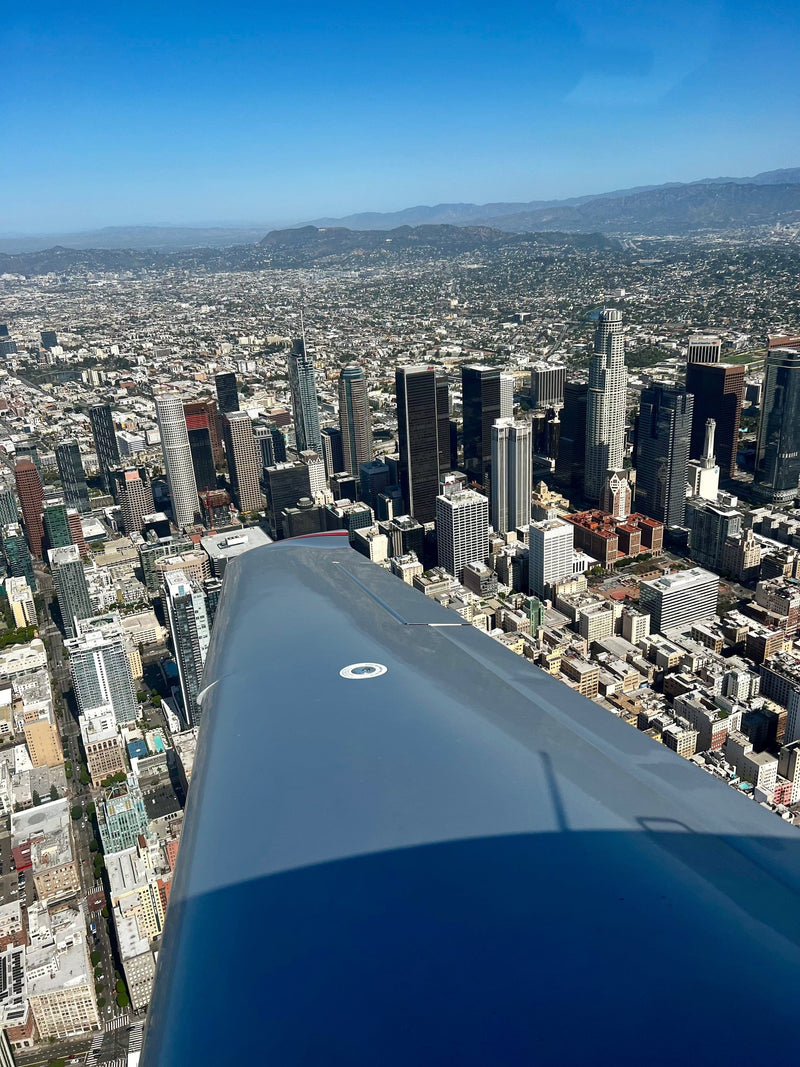
A lot. A towered field like Van Nuys builds radio and airspace skills that sleepy airports can't, and Van Nuys logged 355 flyable days in twelve months of NOAA observations against 343 at Santa Monica.
All legitimate schools operate under FAA oversight, and the FAA does not accredit or rank flight schools at all. Beyond that, judge reputation by recent reviews, instructor retention and who owns the aircraft — not plaques.
Book the free consultation, ask all seven questions, and compare us to anyone. Call (818) 290-8249.
The three private pilot packages, what each one includes, the financing options and a realistic timeline built around how often you can actually fly. Sent to you in one email. Nobody will pressure you.
Loved On Google
Every review below is real and shown verbatim, in the reviewer’s own words — written by the people who learned to fly here, not by us.
SAFETY FIRST
Very safety and detail oriented. Pre-flight briefing explained everything there was. To my knowledge, this flight school is exceptional in their ability.
DISCOVERY FLIGHT
I recently had the chance to take my first-ever discovery flight, and it was nothing short of amazing! From the moment I stepped into the cockpit, the...
SUNSET CIRRUS
It was a great flight! I did a sunset flight and Alex let us fly an awesome. Website was easy to book, and the plane itself was really fun to fly...
FLYING LESSON
We had a great flying lesson with Ralph and came away with a much better understanding of both the aircraft and the principles of flight. Ralph is a...
KIDS LUXURY FLIGHT
I got 2 luxury discovery flights for my kids. I wanted them to have the experience of flying. Our instructor Alex was amazing he made sure they feel...
HONEYMOON SURPRISE
Last minute booking to surprise my wife on our honeymoon. She had no experience with flying and was scared of flying, but Alex was very easygoing and knew...
FULL-MOTION SIM
Amazing flight school in van nuys airport. I have been a student here for the past few months and i could not be happier. I started doing a lot of...
DISCOVERY FOR TWO
I booked a Discovery Flight for Two for my girlfriend's birthday and it was the perfect gift for her. She couldn't have been more excited to get to...
SIMULATORS
Very professional and great airplanes. I love the flight simulators. The pricing is very fair compared to any other flight school
TEEN FIRST LESSON
We gifted our teenage son his first flying lesson. He was so excited! Alex greeted us and gave a reassuring brief that made us all feel comfortable and at...
FIRST-TIME FLYER
Flying is my husband's hobby and I was incredibly anxious and apprehensive about the discovery flight. However, I felt completely safe and at ease once we...
SAFETY FIRST
Very safety and detail oriented. Pre-flight briefing explained everything there was. To my knowledge, this flight school is exceptional in their ability.
DISCOVERY FLIGHT
I recently had the chance to take my first-ever discovery flight, and it was nothing short of amazing! From the moment I stepped into the cockpit, the...
SUNSET CIRRUS
It was a great flight! I did a sunset flight and Alex let us fly an awesome. Website was easy to book, and the plane itself was really fun to fly...
FLYING LESSON
We had a great flying lesson with Ralph and came away with a much better understanding of both the aircraft and the principles of flight. Ralph is a...
KIDS LUXURY FLIGHT
I got 2 luxury discovery flights for my kids. I wanted them to have the experience of flying. Our instructor Alex was amazing he made sure they feel...
HONEYMOON SURPRISE
Last minute booking to surprise my wife on our honeymoon. She had no experience with flying and was scared of flying, but Alex was very easygoing and knew...
FULL-MOTION SIM
Amazing flight school in van nuys airport. I have been a student here for the past few months and i could not be happier. I started doing a lot of...
DISCOVERY FOR TWO
I booked a Discovery Flight for Two for my girlfriend's birthday and it was the perfect gift for her. She couldn't have been more excited to get to...
SIMULATORS
Very professional and great airplanes. I love the flight simulators. The pricing is very fair compared to any other flight school
TEEN FIRST LESSON
We gifted our teenage son his first flying lesson. He was so excited! Alex greeted us and gave a reassuring brief that made us all feel comfortable and at...
FIRST-TIME FLYER
Flying is my husband's hobby and I was incredibly anxious and apprehensive about the discovery flight. However, I felt completely safe and at ease once we...
Reviews shown verbatim, exactly as each reviewer published them.
Aviation News
Notes from the flight line at Van Nuys — weather, regulation changes, checkride questions and the cost of training, written up as they come.
Open 7 days · 9:00 AM – 9:00 PM
Los Angeles Flight School