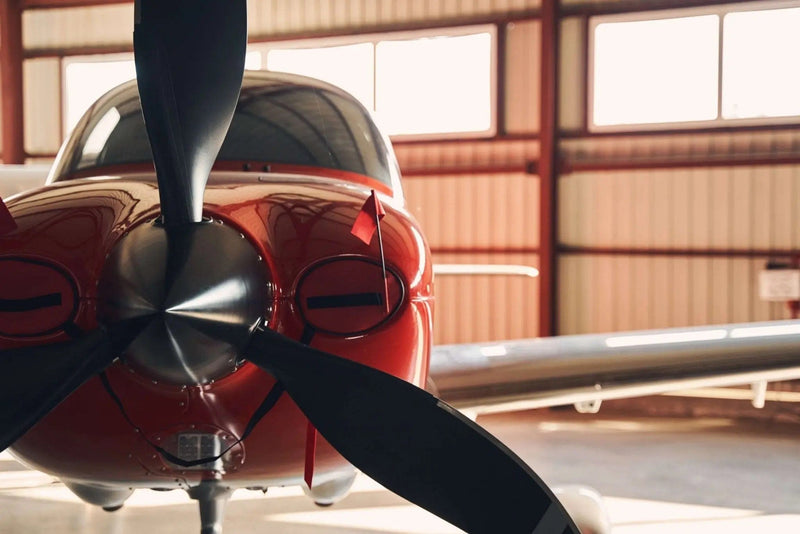
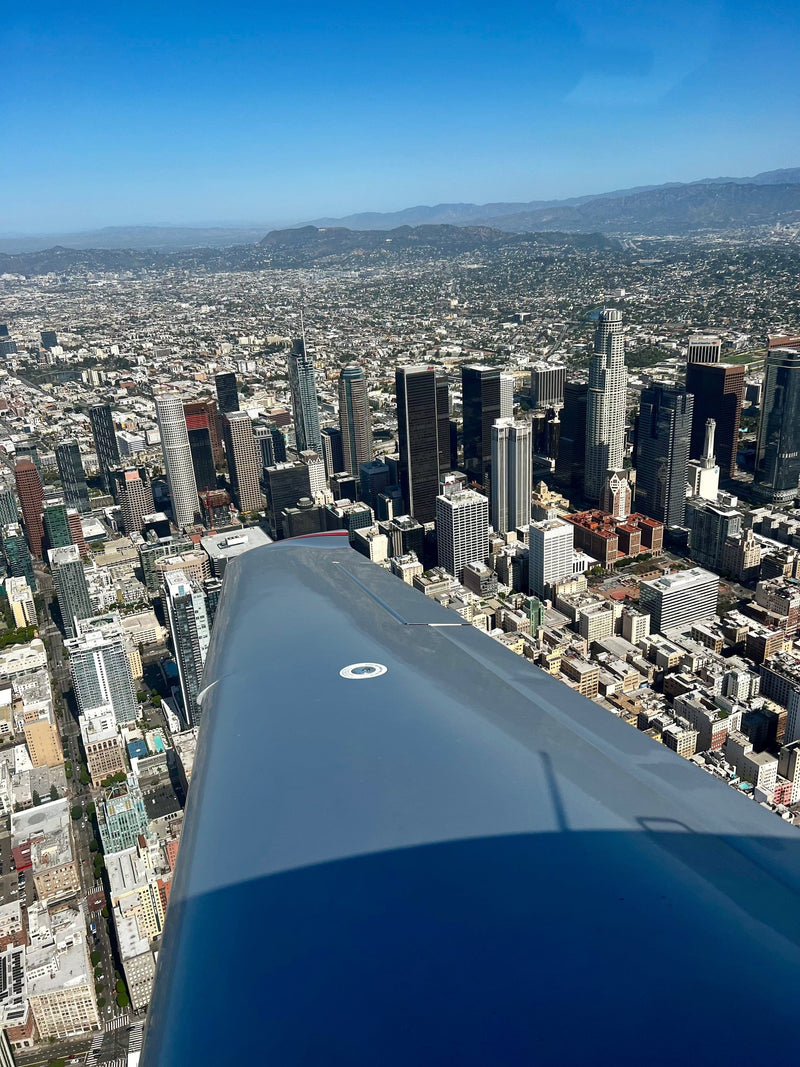
Aerial view of downtown Los Angeles from a training aircraft
Hiring outlook · reviewed August 2026

The Pilot Shortage, Read Honestly

Boeing projects 660,000 new commercial pilots worldwide by 2044, 119,000 of them in North America. US majors hired more than 12,000 pilots at the 2022 to 2023 peak and are projected near 8,000 in 2026. Both of those things are true, and neither one is a guarantee. Airline hiring is cyclical. It has turned before, hard.

660,000 pilots by 2044 (Boeing)~8,000 US major hires in 2026Cyclical — and we say so
660,000new pilots needed globally 2025–2044, per Boeing
119,000of those in North America, per Boeing
Age 65mandatory airline retirement under FAR 121.383(d)
1,500 hrsATP minimum, in force since August 2013
The short answer

There is a pipeline problem. Calling it a shortage oversells it.

US airlines are not short of qualified applicants for captain seats. They are short of people willing to spend $80,000 and four low-paid years getting to the bottom rung, and they have been short of them since the 1,500-hour ATP requirement took effect in August 2013. That is a pipeline economics problem, and airlines solved a large part of it the obvious way — by tripling first-year regional pay.

So when you read that there is a pilot shortage, translate it. It means training a pilot takes two to four years and cannot be sped up when demand jumps, so airline capacity plans and pilot supply run permanently out of phase. When demand rises, hiring surges and pay follows. When demand falls, hiring stops within a quarter and does not restart for years. Both halves of that sentence are part of the deal.

We are a flight school. It is directly in our interest to tell you hiring is guaranteed, so weigh what follows accordingly — and note that we are telling you the opposite. Start this career because you want the job at $85,000 in a regional jet, not because a projection says the market will be hot in 2031.

Flight instructor briefing a student beside a Cessna on the ramp at Van Nuys Airport
With sources

The numbers people quote, and who published them

Every figure below is attributed. Projections are projections — they are produced by organisations with an interest in the answer, they get revised annually, and none of them predicted 2020.

Boeing 20-year outlook

The most quoted figure in the industry, published annually since 2011 and revised every year. It counts commercial airline pilots only, worldwide, and the bulk of the growth sits in Asia-Pacific rather than the United States.

MeasureFigure
New pilots worldwide, 2025–2044660,000
North America share119,000
SourceBoeing Pilot and Technician Outlook 2025
PublishedJuly 2025
Revisedannually

What US majors are actually hiring

Forecasts are long. Hiring totals are short, real and checkable, and they are the number that decides whether you get a class date. This is the one to watch, quarter by quarter, for the whole time you are training.

MeasureFigure
2022–2023 peak, US majors12,000+
Historically normal year4,000–5,000
Projected 2026around 8,000
SourceFAPA figures reported by AOPA, 2026
Directionnormalising, not collapsing

Retirements are the structural half

This part is not a forecast, it is arithmetic. Every airline pilot leaves at 65 by regulation, the dates are known decades in advance, and the large 1980s hiring cohorts are working through the system now. It is the most reliable component of pilot demand.

MeasureFigure
Mandatory retirementage 65, FAR 121.383(d)
US airline retirements, next 5 yrs16,000+
Projected cumulative US shortfall by 203028,126
SourceNational Air Carrier Association estimates
Reliabilityhigh — dates are fixed

The evidence that convinced us

Ignore the forecasts for a moment and look at what airlines did with their own money. Entry-level pay is the honest signal, because nobody triples a wage for a job with a queue of applicants.

MeasureFigure
Regional FO year 1, circa 2015$22,000–$30,000
Regional FO year 1, 2026$80,000–$100,000
Signing bonuses at peak$30,000+
Signing bonuses, 2026$5,000–$15,000
What the fall in bonuses tells yousupply has partly caught up

Figures compiled August 2026. Boeing and FAA outlooks are revised annually and hiring projections move within the year. LA Flight School is a Part 61 training provider. We do not employ airline pilots, we do not place graduates, and nothing here is a representation that any student will be hired.

History

Four times the industry said hiring would never stop

September 2001 ended airline hiring within a week and it did not properly recover for most of the decade. Pilots hired in 2000 spent years on furlough. In 2008 the financial crisis and a fuel spike did it again, and a generation of regional first officers sat at $21,000 a year with no upgrade in sight. In March 2020 every US airline stopped hiring inside a month and offered early retirement to thousands of pilots — which is a direct cause of the shortage everyone celebrated 18 months later.

Each time, the collapse came after a period in which the trade press was confidently describing a permanent shortage. The pattern is not that the forecasts are wrong. It is that they are long-run averages, and careers are lived in the short run, in specific years, with a mortgage.

None of that is an argument against becoming a pilot. Every one of those downturns was followed by a hiring boom, and pilots who were already qualified and building hours when the market turned back up were the ones who got the class dates. It is an argument for a plan that survives two bad years — which mostly means keeping your instructor job, staying current, and not borrowing more than you can service on $60,000.

Training aircraft flying over the San Fernando Valley with dramatic cloud
Practical

What the outlook should actually change about your plan

01

Start now if you were going to start anyway

Training takes two to four years, so you are not hiring into today's market — you are hiring into whatever exists in 2029. Nobody knows what that is. The only genuine advantage available is being qualified and current when the cycle turns up, and that argues for beginning rather than waiting for a clearer signal that will never arrive.

02

Do not borrow against a forecast

Size your financing against a $60,000 instructor income, not a $200,000 captain income you do not have yet. Stratus Financial and in-house payment plans both exist for this, and the question to ask is what the monthly payment looks like in the worst 18 months, not the best.

03

Collect the ratings that survive downturns

When hiring slows, instrument and multi-engine currency and the CFII and MEI certificates are what keep you flying and earning. Pilots who stopped at commercial single-engine were the first to be out of work in 2009 and 2020.

04

Watch hiring totals, not headlines

FAPA publishes monthly hiring numbers by carrier and AOPA reports on them. Ten minutes a month with the actual totals will keep you better informed than any amount of forum speculation, and it is free.

The pipeline, locally

What the two-to-four-year pipeline looks like at Van Nuys

Whatever the market does, the training does not get shorter. These are the stages that produce the applicants the forecasts are counting.

Airline career training aircraft on the ramp at Van Nuys Airport
Airline career training aircraft on the ramp at Van Nuys
Pilot after completing an FAA checkride at Van Nuys
Every certificate ends in an FAA checkride
Flight instructor and student pilot at Van Nuys Airport
The instructor job is what keeps you flying through a slow cycle
Watch

Inside the school that trains into this market

Van Nuys Airport, the fleet and the instructors — the part of the outlook you can actually see.

LA Flight School — 7900 Balboa Blvd, Suite 108A, Van Nuys, CA 91406.

Start here

The first hour costs $229 and settles the biggest question

No projection tells you whether you will enjoy flying an aircraft. One hour does. A discovery flight is a real lesson, the time is loggable dual instruction, and the full price is credited against any program if you enrol within 24 hours.

Redbird Simulator Session

$189 / 1 hr

Full-motion, FAA-approved, and never cancelled for weather. A good first look at what the job involves.

Book a session
Most booked

Discovery Flight For One

$229 / 60 min

You fly the aircraft. Loggable dual instruction, credited in full against any program within 24 hours. 90 min $299, 120 min $399.

Book now

Free Career Consultation

$0

An hour with an instructor on your calendar, your budget and a realistic timeline. No obligation and no deposit.

Book a consultation

Enrol within 24 hours of the discovery flight and the $229 comes off your program price in full.

Next step

Forecasts are long. An hour in the air is now.

Sixty minutes over Los Angeles with your hands on the controls, logged as real dual instruction. If you enrol within 24 hours the whole $229 comes off your program. Call (818) 290-8249 — open 9am to 9pm, seven days, at Van Nuys Airport.

Discovery Flight For One
$229
60 minutes · you fly the aircraft · fully loggable · credited on enrolment
Book now
FAQ

Pilot shortage and hiring questions

There is a structural pipeline shortage rather than an absolute one. US airlines have plenty of experienced applicants for senior seats but a persistent shortfall at entry level, which is why first-year regional pay rose from roughly $22,000 to $30,000 in 2015 to $80,000 to $100,000 in 2026. Hiring in 2026 is projected near 8,000 at US majors, down from a 12,000-plus peak in 2022 to 2023 but above the historic norm of 4,000 to 5,000.

Boeing's 2025 Pilot and Technician Outlook projects 660,000 new commercial pilots worldwide between 2025 and 2044, of which 119,000 are in North America. That forecast is published annually and revised each year, and most of the global growth sits in Asia-Pacific rather than the US market.

Around 8,000 at US major airlines is the projection for 2026 according to FAPA figures reported by AOPA. For context, the 2022 to 2023 surge exceeded 12,000 and a historically normal year runs 4,000 to 5,000. Regional airlines hire separately and in addition to those totals.

Partly. The retirement half is arithmetic and will continue — mandatory retirement at 65 under FAR 121.383(d) means more than 16,000 US airline retirements are expected over five years, with a projected cumulative shortfall of 28,126 pilots by 2030 per National Air Carrier Association estimates. The hiring half is cyclical and stopped completely within a month in 2001, 2008 and 2020.

Three things compounded. The 1,500-hour ATP requirement that took effect in August 2013 lengthened the pipeline by two to three years. The 1980s hiring cohorts began reaching age 65. Then in 2020 airlines offered early retirement to thousands of pilots and stopped hiring, then restarted demand faster than pilots could be trained.

If you were going to do it anyway, yes, because training takes two to four years and you will be entering the market of 2029 rather than the market of 2026. Waiting for a clearer hiring signal costs you a year of seniority at the far end of a career, and seniority is the single largest determinant of pilot pay. What it is not is a reason to borrow against a projection.

It has been proposed repeatedly and has not moved, and pilot unions oppose changing it. Restricted ATP paths already allow 1,000 or 1,250 hours for qualifying military and approved university backgrounds. Plan your training around 1,500 hours and treat any reduction as a bonus rather than a premise.