Three things change the day you pass. You can legally fly into cloud and reduced visibility. You can file an IFR flight plan, accept a clearance and work inside the same air traffic control system the airlines use. And — the part nobody mentions in the brochure — you fly better on clear days.
Start with the obvious one. A VFR private pilot has to stay clear of cloud and hold a minimum visibility. In practice a 1,200-foot overcast ends the day before it starts, even when the air above it is smooth and the destination is severe clear. With an instrument rating that same overcast is a five-minute climb.
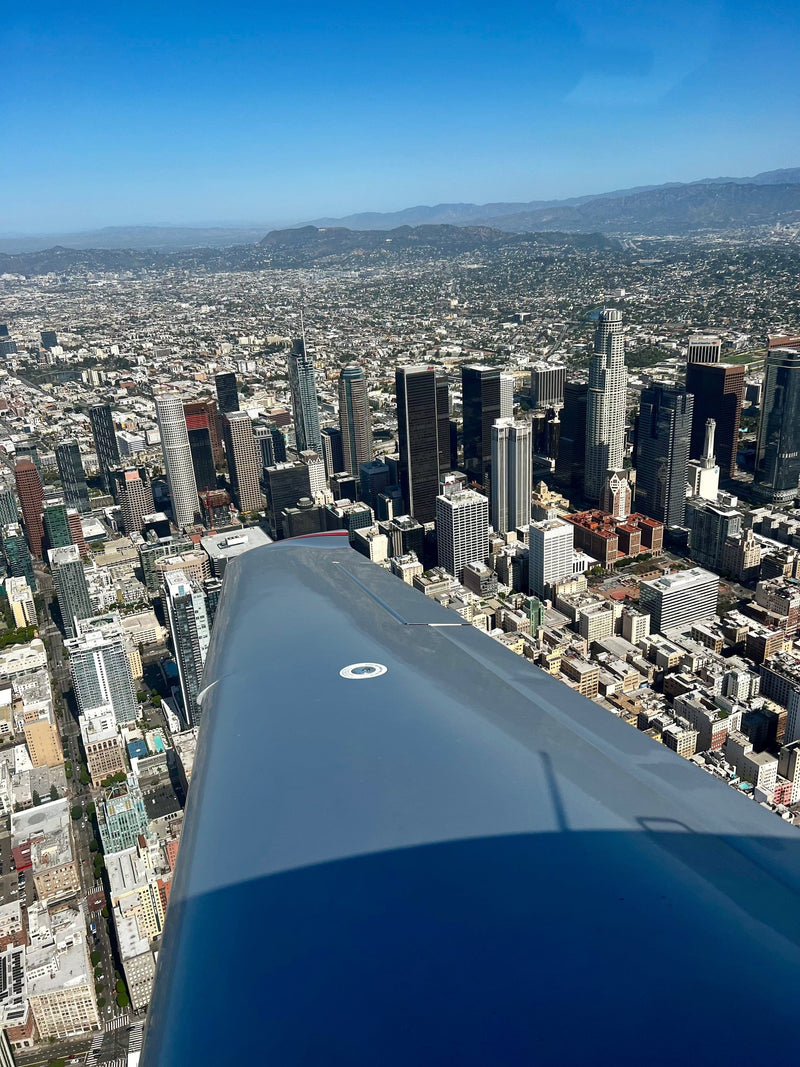
The second change is procedural, and it matters more than people expect. Filing IFR puts you in the system: a clearance, a squawk, a route, and controllers actively separating you from other traffic. You stop guessing about airspace. Van Nuys sits under the LAX Class B shelf in some of the busiest airspace in the country, and flying it on a clearance is less work than flying it on a chart and a hope.
The third change is the honest one. Instrument training is precision training. You learn to hold an altitude to fifty feet and a heading to five degrees because the practical test demands it, and once you can do that you never really stop. Your radio work tightens. You brief approaches you are not flying. You plan fuel like someone who has had to hold. Instructors can pick the instrument-rated pilots out of a VFR pattern, and it is not because they are showing off.
What it does not do is make weather irrelevant. The rating does not give you known-icing capability, it does not make a thunderstorm survivable, and it does not lower a single number on an approach plate. It gives you the training and the legal authority to fly in conditions that used to ground you. Judgment is still your job, and it is a bigger job than it was before.


 Most Given