Training aircraft and simulator at LA Flight School, Van Nuys
Choosing a school

Part 61 vs Part 141 Flight Schools — Which Is Right for You?

Every U.S. flight school trains under one of two sets of FAA rules. Neither produces a better pilot — the checkride is identical — but the right choice for you can save months and thousands of dollars.

Same FAA checkrideDifferent scheduling rulesReal averages nearly identical
The short answer

Part 61 is flexibility. Part 141 is structure.

Part 61 schools tailor training to the student: your instructor adapts the syllabus to how you learn, and lessons fit around your job, school or family — evenings and weekends included. Part 141 schools run an FAA-audited curriculum in a fixed order with stage checks, and on paper require fewer minimum hours: 35 versus 40 for the private certificate.

Those lower minimums look appealing, but national averages tell the real story: most students at both types of school finish the private certificate in 55 to 70 hours. What actually determines your total is training frequency — students who fly two to three times a week finish far closer to the minimums, at any school. Fleet availability matters more than the regulation number on the wall.

Los Angeles Flight School trains under Part 61 precisely for the flexibility: the same FAA checkride, on your schedule, at published prices, with the largest dedicated training fleet at Van Nuys so frequency is never the bottleneck.

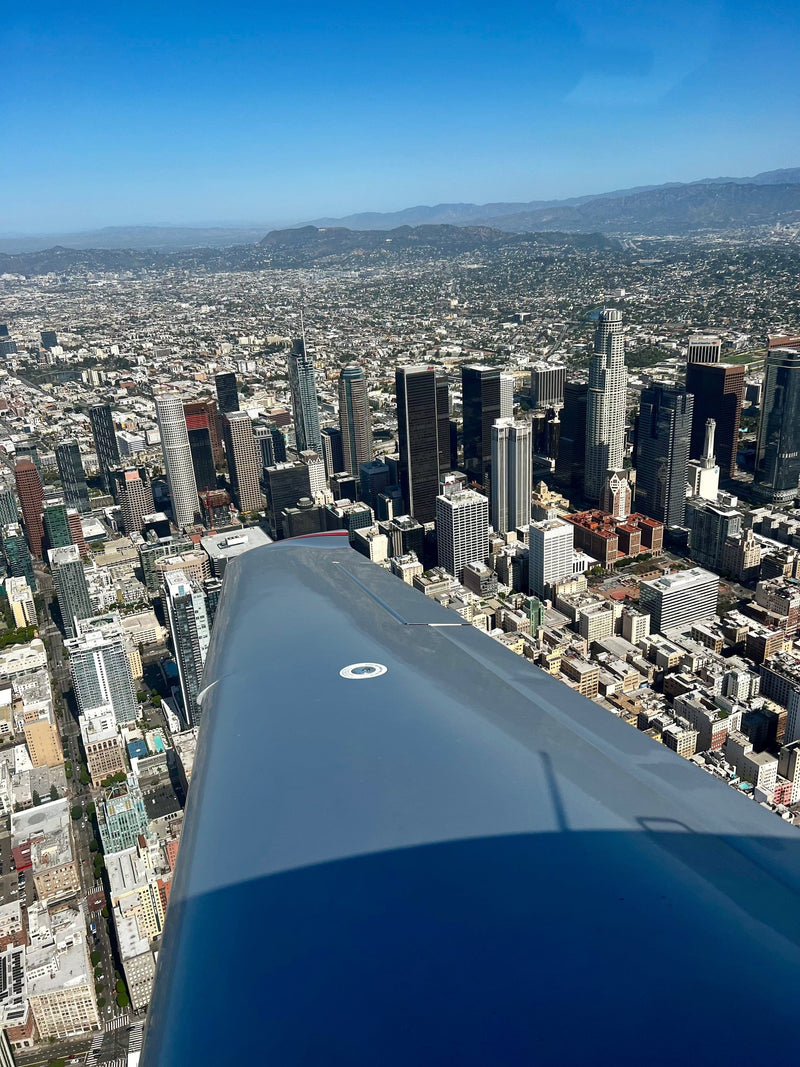
A training aircraft over the San Fernando Valley
Side by side

The differences that actually matter

1

Minimum hours: 40 vs 35 for private

Part 141's lower paper minimum rarely materializes — the national average is 55–70 hours either way. For the commercial certificate the gap is real (250 total hours under Part 61 vs 190 in-program under Part 141), which matters mainly for full-time career students.

2

Scheduling: your calendar vs the syllabus

Part 61 lessons happen when you can fly — evenings, weekends, between shoots. Part 141 programs run a fixed sequence with stage checks, often full-time, and switching pace or instructors can mean repeating stages.

3

Who must choose Part 141

Students using VA education benefits, university aviation degree students, and international students whose visas require an approved Part 141 program. If that's you, choose 141 — it's not optional.

4

What airlines think

They don't. Airlines evaluate certificates, ratings, hours and checkride records — not the regulation you trained under. Thousands of airline pilots flying today trained Part 61.

FAQ

Part 61 vs 141 questions

No. The FAA practical test standards are identical. Quality comes from your instructor, your aircraft and your consistency — not the regulation number.

Real-world costs are nearly identical because real-world hours are nearly identical. The students who save money are the ones who fly frequently at a school with good aircraft availability — under either rule.

Yes — your logged hours always count. Moving into a 141 program may require entrance stage checks; moving to Part 61 is seamless.

Almost always Part 61. If your lessons must fit around a job, a Part 141 syllabus's fixed structure becomes friction rather than help — and in practice Part 61 students who fly consistently finish just as fast.

Part 61, by design: flexible scheduling from 9am to 9pm seven days a week, instructor-tailored training, published package prices, and the same FAA checkride at the end.

Talk to us

Skip the theory — talk it through

A free in-person consultation at Van Nuys ends with a personal training plan that fits your schedule and goals — whichever rule that points to. Call (818) 290-8249.

Free Consultation
$0
Tour the fleet, meet instructors, leave with a plan
Book the free consultation or call (818) 290-8249