SAFETY FIRST
★★★★★
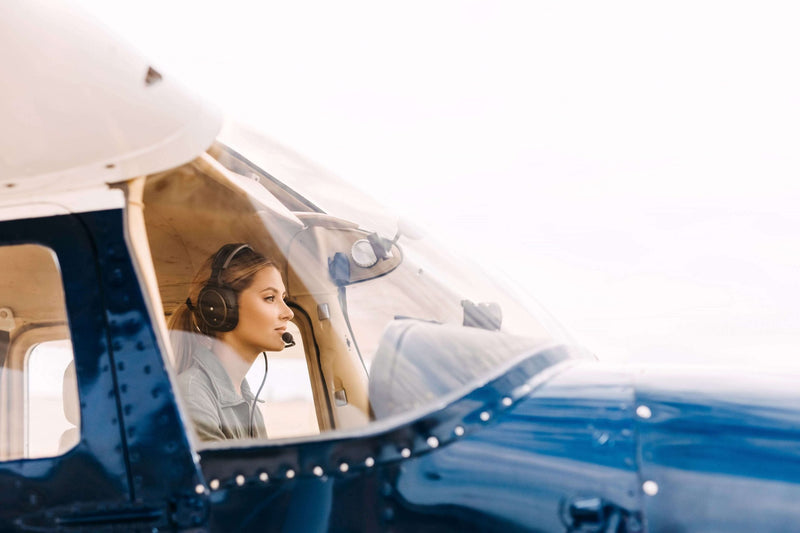
Very safety and detail oriented. Pre-flight briefing explained everything there was. To my knowledge, this flight school is exceptional in their ability.

The PPL checkride is one test in two halves, taken on the same day with the same examiner. An oral examination of two to three hours, then a flight of one and a half to two. 14 CFR 61.43 says you must perform every task in the applicable Airman Certification Standards within those standards, and fail any single area of operation and you fail the test.
A private pilot checkride is a single practical test, conducted by an FAA designated pilot examiner, made up of an oral examination and a flight. The oral usually runs two to three hours and the flight another hour and a half to two, so the whole day is typically four to six hours from arrival to debrief. 14 CFR 61.43(a) sets the standard: perform the tasks in the areas of operation contained in the applicable Airman Certification Standards, demonstrate mastery of the aircraft, perform within the approved standards, and demonstrate sound judgment.
The scope is not a mystery and it is not the examiner’s to choose. 14 CFR 61.107(b)(1) lists twelve areas of operation for an airplane single-engine land rating, and the ACS breaks each of those into tasks with published knowledge, risk-management and skill elements. Everything you will be asked about is in there. The candidates who struggle are almost never the ones who cannot fly — they are the ones who have never read the document they are being tested against.
One sentence in 61.43(e) is worth knowing before you go: if an applicant fails any area of operation, that applicant fails the practical test. There is no averaging and no partial credit within an area. Equally, if the test is discontinued for weather, an airworthiness problem or any other safety-of-flight concern, you keep credit for the areas already passed provided you finish within 60 days and bring the discontinuance paperwork with you.
Every one of these is checked before the examiner starts, and a missing item ends the day before it begins.
| Requirement | Regulation | The detail |
|---|---|---|
| Knowledge test passed | 14 CFR 61.39(a)(1) | Within the 24 calendar months preceding the month you complete the practical test |
| Required training and aeronautical experience | 14 CFR 61.39(a)(4) | All of 14 CFR 61.107 and 61.109 complete and logged |
| Practical test endorsement | 14 CFR 61.39(a)(6) | From an authorized instructor who trained you within the 2 calendar months preceding the month of application |
| Test-prep flight training | 14 CFR 61.109(a)(4) | 3 hours within the 2 calendar months preceding the test |
| Medical certificate | 14 CFR 61.23(a)(3) | At least third class, held on the day |
| Age | 14 CFR 61.103(a) | 17 for a rating other than glider or balloon |
| Aircraft and documents | 14 CFR 61.45 | An airworthy aircraft with the required documents and equipment for every task |
The two-month endorsement window in 61.39 is the one that catches people. It is two calendar months, not sixty days, and it runs from the month the instructor gave the training. A checkride that slips three weeks because of weather can quietly expire the endorsement, which is why your instructor will want to know the date the moment it is booked.
Two to three hours at a table, and it is a conversation rather than an interrogation. The examiner is testing whether you can find and apply information, not whether you memorized it.
Your logbook, the endorsements, the knowledge test report, the application, your medical and your identification. Then the aircraft: airworthiness certificate, registration, radio station license if required, operating limitations and weight and balance. Examiners commonly begin here because a missing endorsement or an out-of-date inspection ends the test immediately, and it is fairer to find that out in the first ten minutes.
You will be given a route and conditions a day or two in advance and asked to arrive with the flight planned. Expect to be walked through the whole thing: performance figures from the actual aircraft flight manual, weight and balance for the aircraft you are about to fly with the examiner in it, fuel burn and reserves under 14 CFR 91.151, airspace on the route, terrain, and every source of weather information you used. The plan itself is rarely the point. The reasoning behind it always is.
The engine, fuel, electrical and pitot-static systems on your aircraft, in enough detail to explain what happens when one of them fails. Currency and recency under 14 CFR 61.56 and 61.57. Privileges and limitations under 14 CFR 61.113. Airspace and the equipment each class requires. Weather theory, and more usefully, what a specific forecast means for the specific flight in front of you. Hypoxia, spatial disorientation and the physiological items.
The ACS puts risk management alongside knowledge in every task, and it is the half candidates prepare for least. Expect scenario questions with no clean answer: the aircraft is 20 pounds over gross with full fuel, the ceiling on arrival is forecast 200 feet above your personal minimum, a passenger wants to keep going. What the examiner wants is a structured, out-loud decision. Saying you would divert is not enough. Saying why, on what information, and when you would have made that call is.
This is the syllabus and the test at the same time. Nothing outside this list can appear on a private pilot practical test for an airplane single-engine rating.
| Area of operation | What it looks like on the day |
|---|---|
| (i) Preflight preparation | Almost all of the oral: certificates, documents, weather, performance, weight and balance, airspace, aeromedical |
| (ii) Preflight procedures | Walk-round inspection, cockpit management, engine start, passenger briefing |
| (iii) Airport and seaplane base operations | Radio work, traffic patterns, taxiing, airport markings, lighting and signs |
| (iv) Takeoffs, landings, and go-arounds | Normal, crosswind, soft-field and short-field takeoffs and landings, plus a go-around from a rejected landing |
| (v) Performance maneuvers | Steep turns, and on many rides a performance takeoff or maximum-performance climb |
| (vi) Ground reference maneuvers | Rectangular course, S-turns and turns around a point, flown against the wind rather than despite it |
| (vii) Navigation | The first leg or two of the planned cross-country, pilotage and dead reckoning, then diversion to an unplanned field and lost procedures |
| (viii) Slow flight and stalls | Maneuvering at critically slow airspeed, power-on and power-off stalls, and spin awareness discussed rather than flown |
| (ix) Basic instrument maneuvers | Straight and level, turns, climbs and descents under the hood, plus recovery from unusual attitudes |
| (x) Emergency operations | Simulated engine failure and the field you pick, systems and equipment malfunctions, emergency equipment and survival gear |
| (xi) Night operations | Usually examined orally on a day checkride — lighting, night vision, equipment and the 14 CFR 61.57(b) recency |
| (xii) Postflight procedures | Parking, securing, and the debrief |
Six stages. The examiner sets the pace and there is no prize for hurrying.
Twenty minutes. Application, logbook, endorsements, knowledge test report, medical, identification, and the aircraft records. Everything either checks out or the day stops here.
Two to three hours across the preflight preparation area of operation. It is a conversation, you are allowed to look things up, and looking something up correctly is a better answer than guessing confidently.
Most examiners will give you thirty minutes before the flight. Take it, eat something, and go and preflight the aircraft properly rather than fastest.
Departure, the first leg of the planned cross-country, then a diversion. Somewhere in there the engine will fail and you will be expected to fly the aircraft first, pick a field second and talk third.
Steep turns, slow flight, stalls, ground reference maneuvers, the hood work and unusual attitudes, then back to the pattern for the landing types.
Either a temporary airman certificate is printed and you are a private pilot, or you are given a notice of disapproval listing exactly which areas of operation were not met. The debrief is worth listening to closely in both cases.
It is not a disaster and it is not rare. Here is the mechanism, which is what nobody explains beforehand.
14 CFR 61.43(e) means failing any area of operation fails the test, but the areas already completed satisfactorily stand. The notice of disapproval lists what must be retested.
14 CFR 61.49 requires the necessary training from an authorized instructor who has determined you are proficient to pass, plus that instructor’s endorsement, before you may reapply. Often that is a single flight.
If the test stopped for weather, an airworthiness issue or another safety-of-flight concern rather than a failure, 14 CFR 61.43(f) lets you finish the remaining areas within 60 days with credit for what you passed, provided you bring the discontinuance form.
A retest is a new application, so the 14 CFR 61.39 two-calendar-month training endorsement has to be current again on the new date. Check it before you book.
Aircraft, instructor, ground school, simulator time and books are inside every price. We would rather tell a student they are not ready than send them early.
40 logged hours, the 14 CFR 61.109 minimum, including the 3 hours of test preparation the regulation requires within the 2 calendar months before the checkride.
60 logged hours and ten hours of ground school. The extra ground time is where checkride oral preparation actually happens, which is why most candidates choose it.
The same syllabus and the same checkride, flown in the Cirrus SR22 Turbo with a glass cockpit. Worth it if you intend to fly something like it afterwards.
Not started yet? An hour in the left seat is logged as dual instruction under 14 CFR 61.51 and counts toward the 40 hours in 14 CFR 61.109. The full price comes off any private pilot program if you enroll within 24 hours.
Enrolled students fly single-engine aircraft at $179 an hour, wet. That is the only hourly figure we publish. Financing from $2,500 down through Stratus Financial or our in-house plans.
Three things repeat across our reviews on Google.
The most repeated compliment is the twenty minutes at the table before the engine starts. Checkride preparation is the same skill, done for longer.
Eleven instructors and a fleet we own, which is what keeps a checkride date from slipping past the 14 CFR 61.39 endorsement window.
You enroll at $10,900 and you finish at $10,900. Reviewers mention the absence of a surprise invoice constantly.
A $229 discovery flight from Van Nuys is a real lesson with you flying and a CFI as pilot in command under 14 CFR 91.3(a). It is logged as dual instruction, it counts toward the 40 hours in 14 CFR 61.109, and the price comes off any private pilot program if you enroll within 24 hours. Call (818) 290-8249, or book a free consultation and bring your questions.
Four to six hours from arrival to debrief. The oral examination typically runs two to three hours and the flight another hour and a half to two, with a break between them. The paperwork check at the start takes about twenty minutes.
Under 14 CFR 61.39 you need the knowledge test passed within the preceding 24 calendar months, all the training and experience in 14 CFR 61.107 and 61.109 logged, and an instructor endorsement given within the 2 calendar months preceding the month of application. You also need at least a third-class medical under 14 CFR 61.23.
The twelve areas of operation in 14 CFR 61.107(b)(1) for an airplane single-engine rating, expanded into tasks by the Airman Certification Standards. They run from preflight preparation through takeoffs and landings, performance and ground reference maneuvers, navigation, slow flight and stalls, basic instrument maneuvers, emergency operations, night operations and postflight procedures.
14 CFR 61.43(e) says that if an applicant fails any area of operation, that applicant fails the practical test. The examiner issues a notice of disapproval listing the areas not met, and the areas you passed still stand for the retest.
Yes, and there is no limit on attempts. 14 CFR 61.49 requires additional training from an authorized instructor who has determined you are proficient to pass, plus that instructor’s endorsement, before you reapply. In practice that is often a single flight covering the specific area.
Under 14 CFR 61.43(f) the test is discontinued rather than failed. You keep credit for the areas of operation already passed provided you complete the rest within 60 days and present the discontinuance documentation, along with any required additional training endorsement.
Only within the published standards. The areas of operation come from 14 CFR 61.107 and the tasks and standards come from the Airman Certification Standards for the private pilot airplane certificate. Nothing outside that document can appear on the test, which is why reading it is the single highest-value hour of preparation.
An FAA designated pilot examiner, or an FAA inspector. The examiner is independent of the flight school. Your instructor endorses you as ready; the examiner decides whether you are.
Work through the Airman Certification Standards task by task, plan the cross-country you are given properly, and practice talking through decisions out loud. Risk management is scored alongside knowledge in every task, and it is the half most candidates under-prepare. Our Comprehensive program includes ten hours of ground school for this reason.
No, but under 14 CFR 61.45 the aircraft must be airworthy, have the required documents and equipment on board, and be capable of performing every task on the test. We provide the aircraft for our own students and confirm the inspections and paperwork before the date.
The three private pilot packages, what each one includes, the financing options and a realistic timeline built around how often you can actually fly. Sent to you in one email. Nobody will pressure you.
Loved On Google
Every review below is real and shown verbatim, in the reviewer’s own words — written by the people who learned to fly here, not by us.
SAFETY FIRST
Very safety and detail oriented. Pre-flight briefing explained everything there was. To my knowledge, this flight school is exceptional in their ability.
 DISCOVERY FLIGHT
I recently had the chance to take my first-ever discovery flight, and it was nothing short of amazing! From the moment I stepped into the cockpit, the...
 SUNSET CIRRUS
It was a great flight! I did a sunset flight and Alex let us fly an awesome. Website was easy to book, and the plane itself was really fun to fly...
 FLYING LESSON
We had a great flying lesson with Ralph and came away with a much better understanding of both the aircraft and the principles of flight. Ralph is a...
 KIDS LUXURY FLIGHT
I got 2 luxury discovery flights for my kids. I wanted them to have the experience of flying. Our instructor Alex was amazing he made sure they feel...
 HONEYMOON SURPRISE
Last minute booking to surprise my wife on our honeymoon. She had no experience with flying and was scared of flying, but Alex was very easygoing and knew...
 FULL-MOTION SIM
Amazing flight school in van nuys airport. I have been a student here for the past few months and i could not be happier. I started doing a lot of...
 DISCOVERY FOR TWO
I booked a Discovery Flight for Two for my girlfriend's birthday and it was the perfect gift for her. She couldn't have been more excited to get to...
 SIMULATORS
Very professional and great airplanes. I love the flight simulators. The pricing is very fair compared to any other flight school
 TEEN FIRST LESSON
We gifted our teenage son his first flying lesson. He was so excited! Alex greeted us and gave a reassuring brief that made us all feel comfortable and at...
 FIRST-TIME FLYER
Flying is my husband's hobby and I was incredibly anxious and apprehensive about the discovery flight. However, I felt completely safe and at ease once we...
SAFETY FIRST
Very safety and detail oriented. Pre-flight briefing explained everything there was. To my knowledge, this flight school is exceptional in their ability.
DISCOVERY FLIGHT
I recently had the chance to take my first-ever discovery flight, and it was nothing short of amazing! From the moment I stepped into the cockpit, the...
SUNSET CIRRUS
It was a great flight! I did a sunset flight and Alex let us fly an awesome. Website was easy to book, and the plane itself was really fun to fly...
FLYING LESSON
We had a great flying lesson with Ralph and came away with a much better understanding of both the aircraft and the principles of flight. Ralph is a...
KIDS LUXURY FLIGHT
I got 2 luxury discovery flights for my kids. I wanted them to have the experience of flying. Our instructor Alex was amazing he made sure they feel...
HONEYMOON SURPRISE
Last minute booking to surprise my wife on our honeymoon. She had no experience with flying and was scared of flying, but Alex was very easygoing and knew...
FULL-MOTION SIM
Amazing flight school in van nuys airport. I have been a student here for the past few months and i could not be happier. I started doing a lot of...
DISCOVERY FOR TWO
I booked a Discovery Flight for Two for my girlfriend's birthday and it was the perfect gift for her. She couldn't have been more excited to get to...
SIMULATORS
Very professional and great airplanes. I love the flight simulators. The pricing is very fair compared to any other flight school
TEEN FIRST LESSON
We gifted our teenage son his first flying lesson. He was so excited! Alex greeted us and gave a reassuring brief that made us all feel comfortable and at...
FIRST-TIME FLYER
Flying is my husband's hobby and I was incredibly anxious and apprehensive about the discovery flight. However, I felt completely safe and at ease once we...
Reviews shown verbatim, exactly as each reviewer published them.
Aviation News
Notes from the flight line at Van Nuys — weather, regulation changes, checkride questions and the cost of training, written up as they come.
Open 7 days · 9:00 AM – 9:00 PM
Los Angeles Flight School