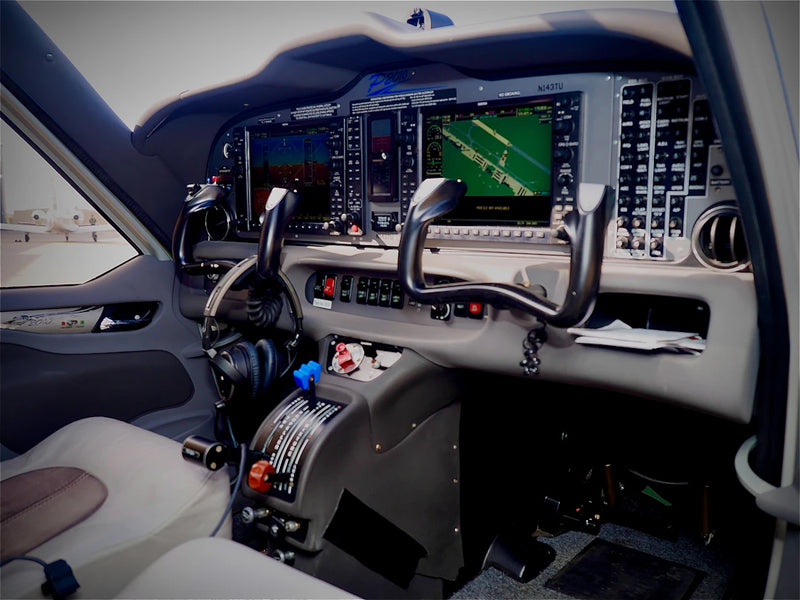
Overview
Becoming a pilot requires understanding FAA regulations, obtaining necessary certifications (Private, Commercial, and Airline Transport Pilot Licenses), and meeting medical standards. Aspiring pilots must log flight hours through various training programs, prepare for written exams, and build toward the hours a carrier will want to see. Networking and continued education are crucial for career advancement in an evolving aviation industry.
Table Of Contents
- The Spectrum of Pilot Certification
- Private Pilot License (PPL)
- Commercial Pilot License (CPL)
- Airline Transport Pilot License (ATPL)
- The Importance of Medical Certifications
- Understanding Medical Classes
- Flight Hours and Training Requirements
- Types of Flight Training Schools
- Preparing for the Written Examinations
- How Pilots Get Hired
- Networking and Industry Connections
- Emphasizing Continued Education
- The Future of Aviation and Pilot Careers
- Emerging Trends in Pilot Hiring
- Stay Adaptable in Your Career Journey
Key Takeaways
- Understand Certification Levels: Familiarize yourself with the three main pilot certifications: Private Pilot License (PPL), Commercial Pilot License (CPL), and Airline Transport Pilot License (ATPL).
- Meet Medical Requirements: All pilots must obtain a medical certificate, with requirements varying by certification level (First-Class, Second-Class, Third-Class).
- Choose the Right Flight School: Consider the type of flight training institution that fits your needs: Part 61, Part 141, or university/college programs.
- Prepare for Written Exams: Utilize FAA resources, practice tests, and study groups to prepare for the necessary written examinations.
- Network for Job Opportunities: Attend aviation seminars, engage on social media, and pursue internships to build connections in the aviation industry.
- Emphasize Continued Education: Consider additional ratings and endorsements to enhance your skills and job security as a pilot.
- Stay Informed on Industry Trends: Keep up with emerging trends like increased demand for pilots and sustainability initiatives that may impact your career.
Becoming a pilot is a dream for many aspiring aviators, but the journey involves more than simply logging flight hours. Understanding the regulations and requirements for pilots is crucial for those looking to take to the skies. This comprehensive guide will take you through the essentials, including certifications, medical standards, and the pathways available for pilot training and for getting hired. It covers the private pilot certificate at one end and airline transport pilot requirements at the other.
The Spectrum Of Pilot Certification
In the United States, the Federal Aviation Administration (FAA) regulates all aspects of civil aviation. At the heart of pilot training are the various certifications that a pilot can obtain. Here’s a breakdown:
Private Pilot License (PPL)
The Private Pilot License is often the first step for aspiring pilots. This certification allows you to fly for pleasure and personal use but not for compensation. To obtain a PPL, you must:
- Be at least 17 years of age.
- Speak, read, write, and understand English.
- Hold at least a third-class medical certificate.
- Complete a minimum of 40 flight hours.
Commercial Pilot License (CPL)
The next level is the Commercial Pilot License, which lets you fly for compensation. The requirements include:
- Be at least 18 years old.
- Complete a minimum of 250 flight hours.
- Pass a written knowledge test and practical flight test.
- Hold at least a second-class medical certificate.
Airline Transport Pilot License (ATPL)
For those who aspire to fly for airlines, the Airline Transport Pilot License is the highest level of certification. Key requirements include:
- Be at least 23 years old.
- Log a minimum of 1,500 flight hours.
- Pass written and practical tests.
- Obtain a first-class medical certificate.
The Importance Of Medical Certifications
All pilots must meet specific medical standards to ensure they are fit for flying. The level of medical certification required depends on the type of pilot certificate held. Here’s what you need to know:
Understanding Medical Classes
The FAA classifies medical certificates into three classes:
- **First-Class:** Required for airline transport pilots.
- **Second-Class:** Required for commercial pilots.
- **Third-Class:** Required for private pilots.
To obtain any of these certificates, pilots must undergo a medical examination conducted by an FAA-authorized aviation medical examiner. The examination generally checks:
- Vision and hearing.
- Cardiovascular health.
- Mental health and substance abuse history.
Flight Hours And Training Requirements
Flight experience is critical in a pilot’s training. Beyond the required flight hours for certification, additional training is often necessary. Flight schools, such as Los Angeles Flight School, offer structured programs designed to equip future pilots with the necessary skills and flight time.
Types Of Flight Training Schools
There are primarily three types of flight training institutions:
- **Part 61 Schools:** These provide flexible training schedules, ideal for those who may have other commitments.
- **Part 141 Schools:** Structured programs that meet FAA regulations with a set syllabus and timelines.
- **University/College Programs:** Degree programs that combine education with flight training. An approved aviation degree is one of the few routes to the reduced restricted-ATP minimums in 14 CFR 61.160.
Preparing For The Written Examinations
In addition to flight training, aspiring pilots must pass a series of written examinations. These cover topics ranging from aviation regulations to navigation and meteorology. Here are some tips to prepare:
- **Study Materials:** Utilize FAA resources, pilot textbooks, and online courses.
- **Practice Tests:** Take advantage of practice exams to familiarize yourself with the format.
- **Join Study Groups:** Collaborating with peers can enhance your understanding and retention of complex topics.
How Pilots Get Hired
After the certificates come the hours. An unrestricted ATP takes 1,500 hours under 14 CFR 61.159, and regional carriers hire at those minimums. The reduced figures in 14 CFR 61.160 come from military service or an approved aviation degree program, not from a Part 61 school like ours. Most pilots close the gap by instructing, which is why the CFI, CFII and MEI sequence matters more than any school’s marketing.
Networking And Industry Connections
A solid network is how most pilots hear about their first flying job. Attending industry events and joining aviation organizations can provide invaluable resources and contacts. Key approaches include:
- **Attend Aviation Seminars:** Events often feature industry leaders and employment opportunities.
- **Engage on Social Media:** Platforms like LinkedIn can offer networking opportunities and job postings.
- **Internships:** Some flight academies or airlines offer internships that can provide important on-the-job experience.
Emphasizing Continued Education
Once employed, many pilots choose to engage in ongoing education. This aspect of a pilot’s career includes additional ratings and endorsements, such as:
- **Instrument Rating:** Allows pilots to fly in a wider range of weather conditions.
- **Multi-Engine Rating:** Expands a pilot's capability to operate multi-engine aircraft.
- **Type Ratings:** Required for piloting specific aircraft.
Continued education is often necessary, especially for captains flying larger aircraft, and it is what keeps you employable.
The Future Of Aviation And Pilot Careers
As technology progresses, the aviation industry is witnessing significant changes. Innovations such as automated flight systems and the integration of artificial intelligence in pilot training are reshaping traditional pathways. This evolving landscape presents unique challenges and opportunities for pilots.
Emerging Trends In Pilot Hiring
Understanding current trends is critical for those looking to secure their place in the industry:
- **Increased Demand for Pilots:** With a growing demand for air travel, airlines are likely to require more qualified pilots.
- **Regional Airlines' Growth:** Smaller regional airlines are expanding and often have fewer requirements, providing entry-level opportunities.
- **Focus on Sustainability:** Eco-friendly flying and sustainability initiatives will influence the types of aircraft and pilot training going forward.
Stay Adaptable In Your Career Journey
The journey to becoming a pilot is filled with challenges and regulations that can seem daunting. However, by understanding the foundational requirements and the landscape of opportunities available, prospective pilots can navigate their careers with greater confidence. As you embark on this exciting path, always remain adaptable and committed to continuous improvement. The world of aviation is vast, and with knowledge, persistence, and good connections, the skies can be within your reach!
Frequently Asked Questions
1. What Are The Main Types Of Pilot Certifications In The U.S.?
2. What Is The Minimum Age Requirement To Obtain A Private Pilot License?
3. What Medical Certificate Do You Need For A Commercial Pilot License?
4. What Is The Minimum Flight Hours Required For An Airline Transport Pilot License?
5. How Can Aspiring Pilots Improve Their Chances Of Getting Hired After Training?
Glossary
| Term | Meaning |
|---|---|
| Private Pilot License (PPL) | Certification for personal flying, not for compensation. |
| Commercial Pilot License (CPL) | Certification allowing pilots to fly for compensation. |
| Airline Transport Pilot License (ATPL) | The highest certification for airline pilots. |
| Medical Certificate | Required health evaluation for pilots, classified into three classes. |
| Flight Hours | Logged flying time necessary for certification and training. |
| Part 61 Schools | Flexible flight training schools with customized schedules. |
| Part 141 Schools | Structured training programs meeting FAA regulations. |
| Instrument Rating | Certification allowing pilots to fly in varied weather conditions. |
| Type Ratings | Required for piloting specific aircraft models. |
| Networking | Building industry connections for job opportunities. |
Linked Product

Commercial Airline Pilot Training At Van Nuys Airport
The Commercial Airline Pilot Training at Van Nuys Airport offers an accelerated program that allows students with no prior flight experience to become certified commercial airline pilots in just 9 months. The training includes real-world flight experience and advanced simulator training, and you finish holding CFI, CFII and MEI. We hold no hiring agreement with any airline and we do not place graduates.
View Product