Overview
Choosing the right aircraft matters more than most students expect. This guide covers the trainers we actually operate at Van Nuys: the Cessna 162 Skycatcher, the Piper Warrior PA-28 and the Diamond DA20 for single-engine work, the Piper Seminole for multi-engine, the Cirrus SR22 Turbo for glass-cockpit training, and the Piper Arrow II for the complex endorsement. Your goals, your budget and what the school keeps on its own ramp should drive the decision. Enrolled students fly single-engine aircraft at $179 an hour, wet — that figure is the aircraft and the fuel, with instruction sitting inside the package price.
Frequently Asked Questions
1. Why Is Aircraft Selection Important For Flight Training?
2. What Are Some Common Aircraft Used In Flight Training?
3. What Are The Benefits Of Training On A Technologically Advanced Aircraft?
4. What Factors Should I Consider When Choosing An Aircraft For Training?
5. How Do Weather Conditions Affect Aircraft Selection For Training?
Embarking on a journey to become a licensed pilot is a thrilling experience. A key decision in this adventure is selecting the right aircraft for your flight training. Different aircraft serve various needs, and understanding these distinctions can significantly impact your learning experience. This guide covers the aircraft we operate at Van Nuys, and what each one is good and bad at, particularly for our Private Pilot Program.
Why Aircraft Selection Matters
The type of aircraft you learn to fly on can greatly influence your training. Factors such as ease of handling, visibility, system complexity, and operational costs play a critical role in your overall experience. Not all training aircraft share the same characteristics; each type has its strengths and weaknesses. Here are the aircraft on our ramp, and what each one teaches:
Piston Single Engines
Piston single-engine planes are the foundation of most flight training programs. Known for their simplicity, they are ideal for new pilots learning the fundamentals of flying. We keep three of them, and they are genuinely different airplanes:
Cessna 162 Skycatcher
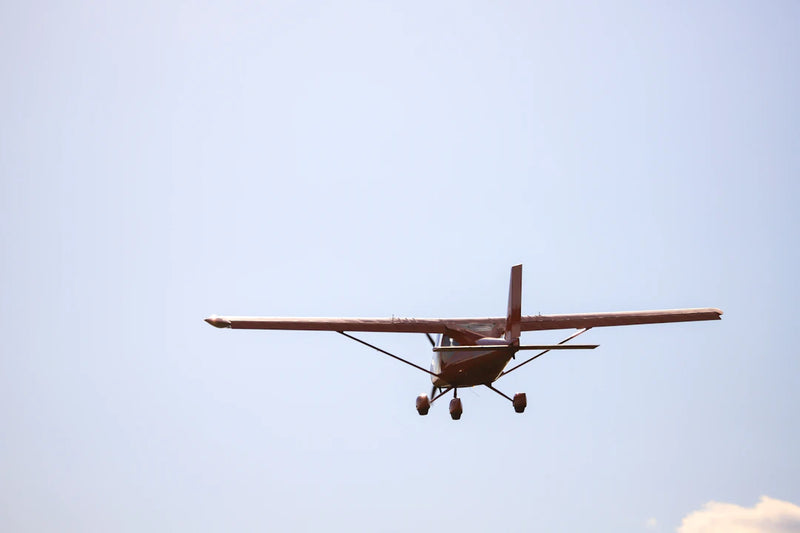
The Cessna 162 Skycatcher is the smallest aircraft on our ramp and the lightest way to build the first 40 hours that FAR 61.109 requires. High wing, so the ground stays visible through a turn, which matters more than you would guess when you are learning to fly a pattern. Two seats, light controls, and it will not let you hide a sloppy landing. Plenty of students in the Private Pilot Program start here and never feel a need to move.
Piper Warrior PA-28
The Piper Warrior is a low-wing PA-28, and it is the aircraft most of our private pilot students end up flying. It is heavier than the Skycatcher and it lands more like the aircraft you will fly later. The downside is honest: a low wing blocks your view downward in a turn, and it burns more fuel per hour. What you get back is stability in the afternoon thermals that build over the San Fernando Valley most of the year. Students in the Private Pilot Program can switch between the Warrior and the Skycatcher without a rate change.
Diamond DA20
The Diamond DA20 has a bubble canopy and the best visibility of anything we operate. Composite airframe, a control response that punishes lazy feet, and a glide ratio that makes engine-failure practice feel unhurried. Pick it if you want precise stick-and-rudder flying. Do not pick it for a July noon slot, because that canopy behaves like a greenhouse on the ramp.
Multi-Engine Aircraft
Once you have a firm grip on single-engine flying, you may want to consider transitioning to multi-engine aircraft. These planes are essential for pilots aiming for commercial ratings or those looking to expand their flying opportunities. Here is ours:
Piper Seminole
The Piper Seminole is our twin. Two counter-rotating engines, retractable gear, and a set of engine-failure drills that make single-engine flying feel simple afterwards. The multi-engine add-on is $5,100 on top of a certificate you already hold. It is not part of the Private Pilot Program, and it should not be your first airplane — a twin punishes slow feet in a way a Warrior never will.
Technologically Advanced Aircraft
Modern flight schools increasingly incorporate technologically advanced aircraft into their training fleets. These aircraft come with glass cockpits, advanced navigation systems, and training aids that help pilots learn more efficiently.
Cirrus SR22 Turbo
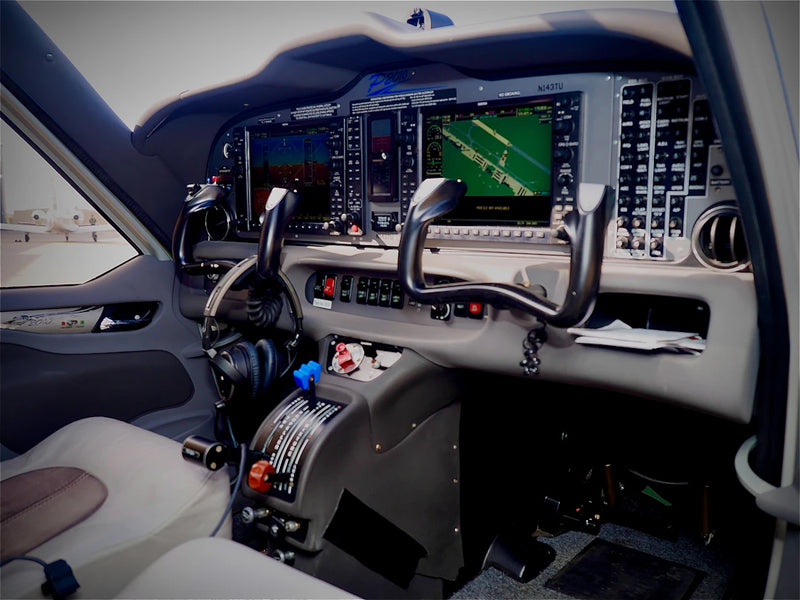
The Cirrus SR22 Turbo is the glass-cockpit aircraft on our ramp and the one flown on the Premium Private Pilot Program, which is $22,500 for 40 logged hours. Full glass, side-stick, turbocharged, and fitted with the CAPS whole-airframe parachute. Train here and you never have to convert from steam gauges later. The counter-argument is real: a student who starts on glass can lean on the automation before the hand-flying is solid, and the aircraft costs more to run than a Warrior.
Redbird MCX Full-Motion Simulator
The Redbird MCX is FAA-approved, fully enclosed, and it moves. Procedures, instrument scan, radio work and engine failures transfer straight to the aircraft, and a session is never scrubbed for weather. Simulator time is built into every private pilot program — 2 hours on Standard and Premium, 5 hours on Comprehensive. A standalone session is $189.
Complex And Tailwheel Aircraft
Once the certificate is in your wallet, the next step usually involves an airplane that does something the trainer did not.
Piper Arrow II
The Piper Arrow II is a Warrior with retractable gear and a constant-speed propeller, which is exactly what FAR 61.31(e) means by complex. Commercial candidates need the endorsement and the time. If your Warrior flying is already tidy, the transition takes a handful of hours. Ask about it while you are still in the Private Pilot Program so the hours land in a useful order.
Gliders And Tailwheel Aircraft
We do not operate gliders or tailwheel aircraft, and it is better to say so than to imply otherwise. Both teach something a nosewheel trainer cannot. A glider forces you to read lift and energy with no engine to bail you out. A taildragger forces you to use your feet on every single landing. Neither is required for a private certificate under FAR 61.109. Get the certificate first, then add that training later at an operator built around it.
Factors To Consider When Choosing An Aircraft For Training
When it comes to selecting an aircraft for your flight training, several aspects should influence your decision:
- Flight Goals: Your ultimate flying ambitions (private, commercial, etc.) will dictate the type of aircraft to focus on.
- Budget: Bigger and faster costs more. Enrolled students here fly single-engine aircraft at $179 an hour, wet — the aircraft and its fuel, with instruction inside the package price rather than billed on top.
- Aircraft Availability: Ask whether the school owns the aircraft or borrows it. A school that owns its fleet can hold your slot on a Saturday morning.
- Instructor Experience: Look for schools with instructors experienced in the aircraft type you want to train on.
Training Environments And Conditions
The training environment can vary significantly, affecting aircraft selection. Factors such as geographical location, seasonal weather changes, and available resources should always be accounted for. For instance:
Training In Different Weather Conditions
Flight schools located in areas with varying weather conditions may require diverse aircraft capabilities. Piston aircraft are typically preferred in clear weather, while multi-engine and technologically advanced aircraft are beneficial in inclement situations. Van Nuys makes this easier than most places: 355 days a year meet the ceiling and visibility we use for student flying.
Flight School Facilities
Additionally, the facilities of the flight school can influence the training experience. It’s wise to select a school with well-maintained aircraft and adequate support systems. Access to simulators can also complement aircraft training, enhancing overall learning.
Your Journey Starts With The Right Aircraft
Choosing the right aircraft for your flight training is a pivotal step in your journey to becoming a skilled pilot. The aircraft described here are the ones students actually fly in our Private Pilot Program and beyond. The choice comes down to how you like to fly, what you are training for, and what you want to spend.
Elevate Your Pilot Skills Today!
Aviation rewards people who pick one airplane and get genuinely good in it. Fly the Skycatcher, the Warrior or the DA20 for the certificate. Add the Arrow or the Seminole when there is a reason to, not before. Come and walk the ramp at Van Nuys with an instructor and decide with the aircraft in front of you.
Linked Product

Standard Private Pilot Program At Van Nuys Airport
The Standard Private Pilot Program at Van Nuys Airport offers aspiring pilots a structured pathway to achieving their private pilot license. Students benefit from a fleet of modern training aircraft, ensuring they gain hands-on experience with advanced avionics and safety features. With a focus on safety and expert instruction, this program prepares individuals for a confident and competent flying experience.
View Product