Overview
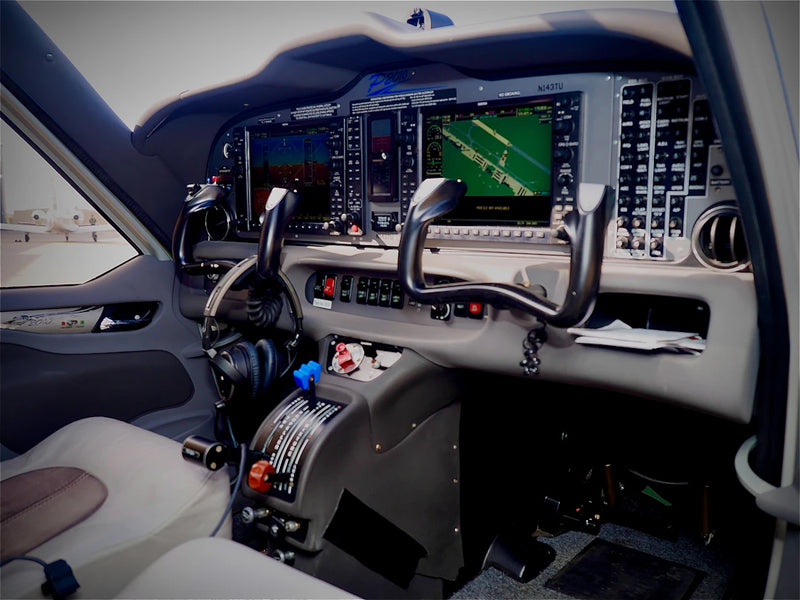
Technology is transforming pilot training through advanced flight simulators, virtual reality, and online learning platforms, enhancing safety, efficiency, and accessibility. These innovations allow for personalized training experiences, reduced flight hour requirements, and improved skill development, while also fostering collaboration and mentorship among aspiring pilots. However, it's crucial to balance simulator use with real-world flying to ensure comprehensive skill development.
Table Of Contents
- The Shift in Learning Methods
- Understanding Pilot Training Simulators
- Enhancing Flight Safety
- The Role of Virtual Reality in Flight Training
- Cost-Effectiveness of Technology in Pilot Training
- Reducing Flight Hour Requirements
- Improving Pilot Skillsets
- Personalized Learning Experiences
- Accessibility and Flexibility in Training
- Distance Learning and Hybrid Models
- Integrating Artificial Intelligence
- Smart Training Tools
- Building a Collaborative Training Environment
- Networking and Mentorship Opportunities
- Challenges and Considerations
- Maintaining Real-World Skills
- High-Quality Simulators and Validations
- Technology as the Future of Flight Training
- Raising the Bar for Future Pilots
Key Takeaways
- Pilot training simulators enhance learning: They provide a safe environment for trainees to practice high-pressure scenarios without real-world risks.
- Cost-effectiveness: Integrating technology into training reduces long-term costs associated with fuel, aircraft wear, and instructor time.
- Personalized learning: Advanced analytics in simulators allow instructors to tailor training based on individual pilot strengths and weaknesses.
- Increased accessibility: Online platforms enable students to learn from anywhere, accommodating diverse schedules and reducing travel costs.
- Collaborative training environments: Technology fosters networking and mentorship opportunities, connecting aspiring pilots with experienced professionals.
- AI integration: Artificial intelligence in simulators provides real-time feedback and adapts scenarios to enhance training effectiveness.
- Maintaining real-world skills: Balancing simulator training with hands-on flying is crucial to ensure pilots develop essential physical and mental skills.
In the vast sky of aviation, the importance of effective pilot training cannot be overstated. As the industry evolves, so does the technology that aids in preparing aspiring pilots for the cockpit. From innovative flight training simulators to advanced learning management systems, technology is reshaping pilot training in numerous ways, enhancing both efficiency and the effectiveness of the learning experience. In this article, we will explore how technology is revolutionizing flight training, focusing on the pivotal role of pilot training simulators.
The Shift In Learning Methods
Traditionally, pilot training relied heavily on physical flight hours, where instructors taught concepts in real aircraft environments. While this method remains essential, technology offers new platforms that complement and enhance this training. The integration of pilot training simulators into curriculums allows for increased flexibility and efficiency, enabling students to practice various scenarios without the risks associated with live flights.
Understanding Pilot Training Simulators
A pilot training simulator is an advanced computerized system designed to replicate the experience of flying an aircraft. These simulators offer a vast range of scenarios that can make training more comprehensive and varied. By utilizing simulations, trainees can engage in high-pressure situations, bad weather conditions, and system failures without the danger of physical harm. This safe environment fosters learning, encouraging pilots to make mistakes and learn from them without jeopardizing safety.
Enhancing Flight Safety
Flight safety is paramount in the aviation industry, and technology plays a critical role in maintaining it. Pilot training simulators are instrumental in developing a pilot's situational awareness, decision-making, and emergency response skills. By training in a controlled environment, pilots gain insights and understanding that are difficult to replicate in actual flight conditions.
The Role Of Virtual Reality In Flight Training
Virtual Reality (VR) is another technological advancement influencing flight training. By offering immersive environments, VR can simulate cockpit settings and dynamic flight conditions, further enhancing the effectiveness of training exercises. The realism provided by VR facilitates a deeper understanding of aircraft systems and procedures.
- Immersive Experiences: Trainees can interact with virtual controls as if they were in a real cockpit.
- Scenario Variety: Different training scenarios can be created in a matter of moments, allowing trainees to practice specific skills repetitively.
- Instant Feedback: Instructors can provide immediate feedback during VR simulations, reinforcing learning and quick adjustments.
Cost-Effectiveness Of Technology In Pilot Training
One noticeable benefit of integrating technology into pilot training is the cost-effectiveness it offers. While the initial investment in pilot training simulators and advanced learning tools can be significant, the long-term savings in fuel, aircraft wear and tear, and instructor time generally outweigh these costs. Schools and flight academies can maximize their resources and improve overall training efficiency.
Reducing Flight Hour Requirements
By utilizing pilot training simulators, flight schools can reduce the number of actual flight hours required for certification. This reduction not only saves money but also allows students to devote more time to mastering flight techniques without the associated costs of flying an aircraft. Many aviation authorities recognize this shift, adjusting licensing requirements to incorporate simulator hours into the training portfolio.
Improving Pilot Skillsets
In today's aviation landscape, pilots must be versatile and equipped with a diverse skill set. Technology drives continuous improvement for pilots through the implementation of detailed training programs. Many pilot training simulators include advanced features that provide analytics and performance reviews, allowing instructors to monitor progress and tailor training specifically to each student's needs.
Personalized Learning Experiences
The beauty of technology in flight training lies in its ability to deliver personalized learning experiences. Every pilot has unique strengths and weaknesses; by identifying these through performance analytics, instructors can adapt their teaching methods. Personalization fosters better engagement and enhances retention, ultimately benefiting pilots in real-world flying situations.
Accessibility And Flexibility In Training
One of the most significant ways technology is changing pilot training is by making it more accessible and flexible. Online training platforms and e-learning tools have made it easier for students to learn from anywhere in the world while minimizing travel and accommodation costs. Aspiring pilots can go through theoretical lessons at their own pace, allowing for a tailored educational experience that fits their schedules.
Distance Learning And Hybrid Models
As technology advances, distance learning and hybrid models are becoming increasingly popular in flight training. These methods combine online theoretical studies with in-person practical training, maximizing student engagement while adhering to modern educational trends. Trainees get the best of both worlds; they gain theoretical knowledge online, followed by practical application during actual flights or simulator training.
- Convenient Access: Students can access learning materials and courses from their homes.
- Flexible Scheduling: They can manage their study time around work or personal commitments.
- Global Reach: Students can train with renowned instructors from around the world without relocating.
Integrating Artificial Intelligence
Artificial Intelligence (AI) is gradually weaving its way into flight training systems. Harnessing AI allows for the creation of intelligent flight training simulators that can evaluate student performance and adapt scenarios based on individual capabilities. This integration fosters a more tailored training experience, ensuring that no student is left behind.
Smart Training Tools
AI-driven tools can analyze a pilot's decision-making processes during simulations, providing detailed insights into strengths and areas of improvement. Smart training tools can also give real-time feedback, helping trainees make rapid adjustments and learn critical lessons through active engagement.
Building A Collaborative Training Environment
The integration of technology extends beyond just individual training experiences. It facilitates collaborative environments where pilots can share knowledge and experiences. Virtual platforms allow trainees from across the globe to connect and collaborate on projects, learning from one another's unique backgrounds and challenges. This connectivity enhances the overall training dynamic, creating opportunities for shared learning.
Networking And Mentorship Opportunities
Through online communities and forums, aspiring pilots can connect with experienced pilots and instructors, fostering mentorship opportunities. These networks not only provide support and guidance but also help students build essential connections within the aviation industry. By nurturing these relationships, future pilots hear about openings early. Nobody hands them the job.
Challenges And Considerations
While technology provides numerous benefits, it is essential to address the challenges that accompany its integration into pilot training. As with any innovative approach, there are potential pitfalls that both instructors and students should consider.
Maintaining Real-World Skills
One of the primary concerns is ensuring that students do not become overly reliant on flight training simulators. Actual flying requires physical skills and mental stamina that can only be developed in the cockpit. Additionally, instructors must balance simulator training with hands-on flying to ensure that pilots can transfer their skills effectively.
High-Quality Simulators And Validations
Not all pilot training simulators are created equal. It's crucial for flight training schools to invest in high-quality systems that accurately replicate real-life flying conditions. Validation of these systems by appropriate regulatory bodies is also essential to maintain training integrity. Ensuring proper functionality and performance will provide pilots with realistic experiences, allowing for a smoother transition from simulators to real aircraft.
Moreover, instructors need to stay informed about advancements in technology. Continuous professional development ensures that educators are well-equipped to guide their students effectively in this rapidly evolving landscape.
Technology As The Future Of Flight Training
By embracing technology, pilot training continues to innovate in ways that were unimaginable just a few years ago. As schools adapt to these changes, the efficiency, safety, and accessibility of training programs have significantly improved. From pilot training simulators that create immersive learning experiences to online platforms that provide flexible learning opportunities, technology is undeniably influencing the future of aviation education.
Raising The Bar For Future Pilots
As technology continues to evolve, the bar for future pilots will only rise. The skills and knowledge gained from technological advancements will shape a new generation of aviators who are not only well-prepared for the skies but also equipped to handle the complexities of modern aviation. Adapting to these changes is essential to thrive in an industry that demands excellence, adaptability, and a keen understanding of the technological landscape.
As we look toward the future of flight training, embracing technology and adapting course content to fit these advancements will ensure that aspiring pilots are equipped with the skills needed to soar in the modern aviation world. The sky isn’t the limit; it’s just the beginning!
Frequently Asked Questions
1. What Is The Importance Of Effective Pilot Training In Aviation?
2. How Do Pilot Training Simulators Enhance The Training Experience?
3. What Role Does Virtual Reality (VR) Play In Flight Training?
4. How Does Technology Improve The Accessibility And Flexibility Of Pilot Training?
5. What Are Some Challenges Of Integrating Technology Into Pilot Training?
Glossary
| Term | Meaning |
|---|---|
| Pilot Training Simulator | A computerized system replicating aircraft flying experiences for training. |
| Virtual Reality (VR) | Immersive technology that simulates real-life cockpit environments. |
| Flight Safety | Measures and practices ensuring the safety of aviation operations. |
| Distance Learning | Educational method allowing students to learn remotely via online platforms. |
| Artificial Intelligence (AI) | Technology that enables systems to adapt and improve based on data. |
| Performance Analytics | Data analysis tools used to assess and improve pilot training outcomes. |
| Hybrid Models | Training methods combining online learning with in-person instruction. |
| Situational Awareness | The ability to perceive and understand the environment during flight. |
| Collaborative Training | Training that involves sharing knowledge and experiences among pilots. |
| Cost-Effectiveness | The economic advantage of using technology to reduce training expenses. |
Linked Product

Discovery Flight Using A Redbird Full Motion Flight Simulator
The Discovery Flight using a Redbird Full Motion Flight Simulator offers an immersive introduction to aviation without the need for an actual aircraft. Participants can experience realistic aircraft operations in a safe, controlled environment, making it ideal for first-timers and those apprehensive about flying. Guided by a certified instructor, users can practice essential maneuvers, providing a solid foundation for future flight training.
View Product