Overview
Flight training has evolved with advanced technology like the Redbird Full Motion Flight Simulator, providing a safe, cost-effective, and flexible learning environment. Simulator training enhances skills through realistic scenarios, emergency procedures, and performance tracking, though it has limitations in realism and potential over-reliance. Best practices include structured curricula and regular feedback. The future of flight simulation looks promising with virtual reality and AI integration, making it essential for aspiring pilots to embrace this training method for success in aviation.
Table Of Contents
- Understanding Simulator Training
- What is a Flight Simulator?
- Benefits of Simulator Training
- The Integration of Simulator Training in Flight Education
- Pre-Flight Training
- Emergency Procedures
- Instrument Flight Training
- Challenges and Limitations of Simulator Training
- Best Practices for Implementing Simulator Training
- 1. Structured Curriculum
- 2. Regular Feedback and Assessment
- 3. Encourage Frequent Practice
- The Future of Flight Simulation in Education
- Virtual Reality Enhancements
- Data Analytics and AI Integration
- Real-Life Success Stories
- Aspiring Commercial Pilot
- Military Aviation Training
- Your Path to Flight Success
Key Takeaways
- Enhanced Safety: Flight simulators allow students to practice emergency scenarios in a risk-free environment.
- Cost-Effective: Simulator training reduces expenses related to fuel, maintenance, and aircraft wear.
- Flexible Learning: Students can train at their convenience, fitting flight education into their schedules.
- Realistic Scenarios: Trainees can experience various challenging flight conditions, including emergencies.
- Performance Tracking: Instructors can provide precise feedback based on monitored student performance.
- Pre-Flight Training: Simulators help students familiarize themselves with cockpit operations before real flights.
- Future Innovations: Advancements in VR and AI are set to enhance the realism and personalization of flight training.
Flight training today is more advanced than ever, with cutting-edge technology such as the Redbird Full Motion Flight Simulator transforming the way aspiring pilots learn. Simulator training offers an immersive, controlled environment where students can hone their skills without the risks associated with actual flight. This article explores the many facets of simulator training and its crucial role in flight education.
Understanding Simulator Training
Flight simulators have been an essential tool in aviation for decades, but their capabilities have significantly evolved. Modern simulators, like the Redbird Full Motion Flight Simulator, replicate real-world flying conditions with remarkable accuracy, offering flight educators and students various advantages.
What Is A Flight Simulator?
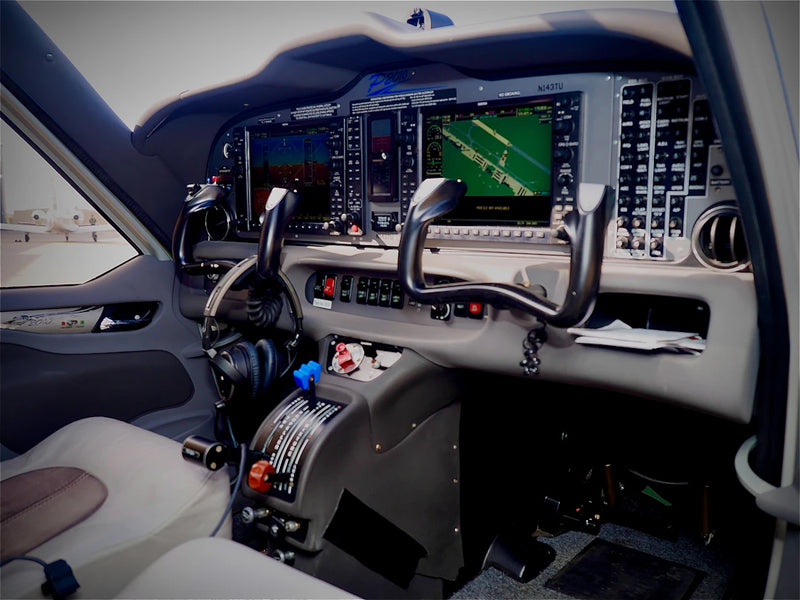
A flight simulator is a device designed to mimic the experience of operating an aircraft. They can range from simple desktop systems to elaborate full-motion simulators. The Redbird Full Motion Flight Simulator falls into the latter category, providing realistic aircraft operations in a controlled setting. These simulators not only demonstrate the aircraft's performance under various conditions but also include scenarios such as emergencies and navigation challenges.
Benefits Of Simulator Training
As the aviation landscape continually evolves, so do the methodologies of flight training. Below are some of the core benefits of simulator training:
- Enhanced Safety: Simulators provide a safe environment to experience and manage emergencies without putting lives at risk.
- Cost-Effective: Simulator use reduces the costs associated with fuel, maintenance, and aircraft wear and tear.
- Flexible Learning: Students can train on their schedules, making it easier to fit flight education into their lives.
- Realistic Scenarios: Trainees can encounter a variety of flight scenarios, including challenging weather conditions and system failures.
- Performance Tracking: Instructors can monitor and assess student performance with precision, allowing for targeted feedback and training.
The Integration Of Simulator Training In Flight Education
Incorporating simulators like the Redbird Full Motion Flight Simulator into flight training curricula enhances the overall learning experience for pilots. Here’s how:
Pre-Flight Training
Students can utilize the flight simulator to practice various pre-flight checks and operations under simulated conditions. This way, they can get familiar with their aircraft's cockpit and various controls before they even set foot in a real airplane.
Emergency Procedures
Handling emergencies is one of the most critical skills a pilot must possess. The Redbird Full Motion Flight Simulator allows students to experience emergency situations, such as engine failure or severe weather, within a safe environment where they can practice their responses repeatedly.
Instrument Flight Training
Training with instruments using a simulator provides an accurate depiction of what pilots experience when flying solely by reference to instruments. This area of training is vital for developing a robust understanding of navigation and autopilot systems.
Challenges And Limitations Of Simulator Training
While simulator training boasts numerous benefits, it’s essential to recognize its challenges and limitations:
- Realism Limitations: Despite advancements, simulators can't fully replicate the unique sensations of actual flight.
- Over-Reliance: There’s a risk that students could become too reliant on simulator settings, which might not fully prepare them for real-world conditions.
- Experience Variations: Each simulator may offer different operating conditions, which could lead to inconsistencies in training quality.
Best Practices For Implementing Simulator Training
To maximize the benefits of simulator training, consider these best practices:
1. Structured Curriculum
A well-structured curriculum that integrates simulator training seamlessly with flight lessons can enhance learning outcomes. Ensure that simulator sessions align with practical flight experience to reinforce key concepts.
2. Regular Feedback And Assessment
Instructors should provide continuous feedback during simulator sessions. This guidance helps students identify their strengths and weaknesses, allowing for focused improvement.
3. Encourage Frequent Practice
The more time students spend in the simulator, the more proficient they become. Encourage regular practice to help them build muscle memory and develop skills.
The Future Of Flight Simulation In Education
As technology continues to advance, so will the capabilities of flight simulators like the Redbird Full Motion Flight Simulator. Innovations in virtual reality (VR) and augmented reality (AR) are likely to play significant roles in enhancing flight training:
Virtual Reality Enhancements
Virtual reality is changing the landscape of training by providing more immersive experiences. Integrating VR into simulations could allow pilots to engage in even more realistic flight scenarios, making their training more relevant and impactful.
Data Analytics And AI Integration
Using data analytics and artificial intelligence (AI) can improve instruction and personalize the training experience according to individual learner needs. This approach could optimize training time and effectiveness for each aspiring pilot.
Real-Life Success Stories
Countless pilots have credited their training success to simulator training. From aviation schools to commercial airlines, many institutions leverage the capabilities of the Redbird Full Motion Flight Simulator to create well-rounded pilots. Here are some inspiring stories:
Aspiring Commercial Pilot
A young pilot named Sarah used the Redbird Full Motion Flight Simulator extensively during her training, focusing much of her efforts on mastering emergency procedures. After her first solo flight, she remarked, “The simulator gave me the confidence I needed to stay calm during an emergency, which I ultimately faced in the real sky.”
Military Aviation Training
Military flight schools have increasingly adopted simulators for training future aviators. They have reported enhanced readiness due to the ability to train high-performance maneuvers without the risks present in actual flight. This adaptation has proven beneficial in developing skilled tactical pilots.
Your Path To Flight Success
As aviation continues to expand and innovate, embracing simulator training is key to equipping future pilots with the skills they need. Investing time in tools like the Redbird Full Motion Flight Simulator can open doors to numerous opportunities in the industry. Whether you are a flight academy or an aspiring pilot, understanding the value of simulator training can set you on a path to success.
By integrating modern technology into flight education, educators and students can ensure that the future generation of pilots is well-prepared for the challenges that lie ahead in the skies. Embrace this crucial aspect of flight learning, and take your aviation journey to new heights!
Frequently Asked Questions
1. What Is A Flight Simulator?
2. What Are The Benefits Of Simulator Training?
3. How Does Simulator Training Integrate With Flight Education?
4. What Are The Challenges Of Simulator Training?
5. How Can Simulator Training Be Optimized?
Glossary
| Term | Meaning |
|---|---|
| Flight Simulator | A device that mimics the experience of operating an aircraft. |
| Redbird Full Motion Flight Simulator | An advanced simulator providing realistic aircraft operations in a controlled setting. |
| Simulator Training | Using flight simulators to practice flying skills in a safe environment. |
| Enhanced Safety | A key benefit of simulators, allowing practice of emergencies without risk. |
| Flexible Learning | Training that adapts to students' schedules, facilitating easier education. |
| Realistic Scenarios | Training that includes various flight conditions and emergencies. |
| Performance Tracking | Monitoring student progress for targeted feedback and improvement. |
| Virtual Reality (VR) | Technology enhancing training by providing immersive experiences. |
| Data Analytics | Using data to personalize and improve the training experience. |
| Emergency Procedures | Practicing responses to critical situations in a controlled environment. |
Linked Product

Discovery Flight Using A Redbird Full Motion Flight Simulator
The Discovery Flight using a Redbird Full Motion Flight Simulator offers a realistic flying experience without the need for an actual aircraft. Participants can practice takeoffs and landings while being guided by a certified instructor, making it suitable for beginners and those seeking a safe introduction to aviation. This simulator provides an engaging way to learn about flying and is an excellent precursor to actual flight training.
View Product