Ask a hundred flight instructors to name the ideal training airplane and the Piper Warrior comes up more than almost anything else. The PA-28-161 — the Cherokee Warrior — has been teaching people to fly since the 1970s, and there's a reason schools still build fleets around it half a century later. We fly Warriors every day at Van Nuys, and this is the honest case for learning in one.
What Exactly Is A Piper Warrior?
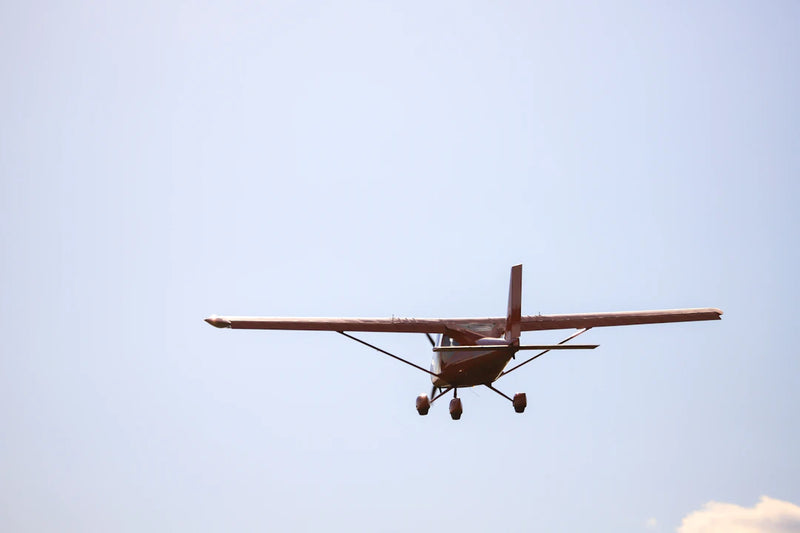
The Warrior belongs to Piper's PA-28 Cherokee family: a low-wing, four-seat, fixed-gear single with a 160-horsepower Lycoming O-320 up front. Piper built Cherokees in bewildering variety — Cherokee 140, 151, 160, 180, Archer, Arrow — but the PA-28-161 Warrior and Warrior II hit the training sweet spot: enough power to climb confidently out of a warm Valley afternoon, docile enough that a first-lesson student can fly it within minutes.
Why The Warrior Teaches So Well
It's honest. The Warrior's tapered wing gives predictable, gentle stalls with plenty of warning — mistakes announce themselves early and recover easily, which is exactly what you want while you're learning what mistakes feel like.
It's stable without being boring. Trim it and it flies hands-off; disturb it and it returns to where you put it. That stability lets students concentrate on radio work and airspace — the things Van Nuys teaches better than anywhere — instead of fighting the airplane.
The low wing prepares you for what's next. Most aircraft you'll fly later — Arrows, Archers, Cirruses, twins — are low-wing. Sight pictures, fuel management with a selector, and flare behavior all transfer directly.
Four real seats. Once you're certificated, the same airplane you trained in takes two friends to Camarillo for lunch. Your checkout is already done.
Warrior II Vs The Rest Of The Cherokee Family
The Warrior II (PA-28-161 from 1977 on) added the semi-tapered wing and small refinements — it's the version most schools fly. Compared with siblings: the Archer (180 hp) climbs better with four aboard but costs more to run; the Arrow adds retractable gear and a constant-speed prop — the complex trainer you'll meet later, and we keep an Arrow II for exactly that; the older Cherokee 140s are cheaper but tired. For primary training, the Warrior II remains the value king.
Warrior Specs That Matter To A Student
- Engine: Lycoming O-320, 160 hp — famously reliable, runs forever
- Cruise: ~115 knots — fast enough for real cross-countries, slow enough to think
- Stall (full flaps): ~44 knots — gentle, well-telegraphed
- Useful load: ~900 lb — two adults, full fuel, bags, no drama
- Fuel: 48 gallons usable in two wing tanks — and learning the fuel selector is real airmanship
Fly A Warrior At Van Nuys
Enrolled students fly our Piper Warriors at $179 an hour, wet — that figure is the airplane and its fuel, and instruction sits inside the program price rather than on top of it. The Warrior carries most of the training load in our private pilot programs, $10,900 Standard and $15,900 Comprehensive. See the airplane on our Warrior fleet page, meet the rest of the fleet, or fly one this week on a $229 discovery flight — hands on the controls, with an instructor beside you.
Curious what training actually costs in one? The full breakdown is in our flight school cost guide.