Overview
Ground school is a crucial step in becoming a pilot, providing essential knowledge and skills for safe flying. It covers vital topics like aerodynamics, meteorology, aircraft systems, and regulations. Ground school prepares students for the FAA Private Pilot Knowledge Test and enhances safety awareness. Choosing the right program and integrating ground school with flight lessons enriches the learning experience. Continuous education beyond ground school is important for an aviation career. Embrace ground school as the foundation for your journey to becoming a skilled pilot.
Table Of Contents
- What is Ground School?
- The Key Components of Ground School
- The Importance of Ground School in the Private Pilot Program
- Foundational Knowledge
- Enhanced Safety Awareness
- Preparation for the Knowledge Test
- Choosing the Right Ground School Program
- Integrating Ground School into Flight Training
- Real-Time Application of Knowledge
- Mentorship Opportunities
- Continuing Education Beyond Ground School
- A Bright Future in Aviation Awaits
Key Takeaways
- Ground school is essential for aspiring pilots, providing foundational knowledge necessary for safe flying.
- Key subjects covered in ground school include aerodynamics, meteorology, navigation, aircraft systems, and regulations.
- Ground school prepares students for the FAA Private Pilot Knowledge Test, crucial for obtaining a private pilot certificate.
- Choosing the right ground school program involves considering format, instructor qualifications, and curriculum comprehensiveness.
- Integrating ground school with flight training enhances learning by allowing students to apply theoretical knowledge in real-time.
- Ground school fosters mentorship opportunities between students and instructors, enriching the learning experience.
- Continuous education beyond ground school is vital for pilots to stay updated with evolving aviation technology and practices.
Becoming a pilot is an aspiration that many dream of, and while the thrill of takeoff and soaring through the skies is exhilarating, the journey to getting there begins on the ground. Ground school is an integral part of flight training that lays the groundwork for becoming a skilled and knowledgeable pilot. In this article, we will delve into the importance of ground school in the context of the Private Pilot Program, providing insight into how it equips students with essential knowledge and skills necessary for flying safely and effectively.
What Is Ground School?
Ground school serves as the theoretical framework for flight training. It is the classroom part of the learning process where student pilots gain knowledge about aviation principles, regulations, and procedures required for safe flight. Ground school can take various forms, including traditional classroom settings, online courses, or hybrid models that blend both methods. Regardless of the format, the focus remains the same: to prepare students for practical flight training.
The Key Components Of Ground School
Ground school covers a wide array of subjects that are critical to understanding aviation. Here are some of the key components students can expect to learn:
- Aerodynamics: Understanding the fundamental principles of how aircraft fly, including lift, weight, thrust, and drag.
- Meteorology: Learning about weather patterns and how they affect flight operations.
- Navigational Skills: Acquiring knowledge of navigation techniques, including the use of charts, GPS, and radio navigation.
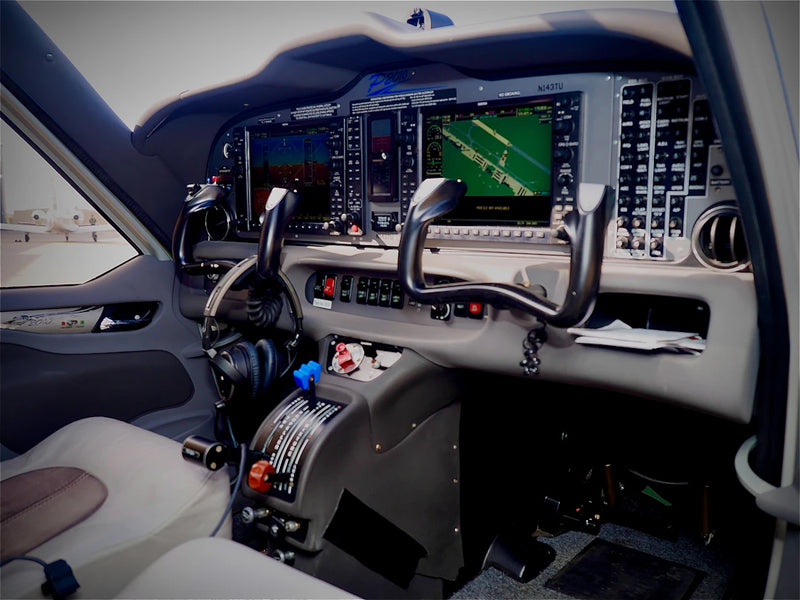
- Aircraft Systems: Gaining insight into the various systems of an aircraft, such as engines, electrical systems, and fuel management.
- Regulations and Procedures: Familiarization with aviation regulations set by authorities like the FAA, as well as standard operating procedures.
- Flight Planning: Learning how to effectively plan a flight, including route selection, fuel management, and addressing contingencies.
- Flight Safety: Understanding the safety protocols and best practices that ensure the well-being of both the pilot and passengers.
The Importance Of Ground School In The Private Pilot Program
Ground school is particularly crucial for those enrolling in a Private Pilot Program. This program aims to prepare student pilots for obtaining their private pilot certificate, a key milestone in their aviation journey. Let’s explore why ground school should not be overlooked in this process.
Foundational Knowledge
The knowledge gained in ground school provides the foundation upon which flight maneuvers and techniques are built. Without a solid understanding of aircraft systems, regulations, and meteorological conditions, a student pilot may struggle to execute flight operations effectively. Ground school ensures that students not only memorize this information but also understand its practical application once they are in the cockpit.
Enhanced Safety Awareness
Safety is of utmost importance in aviation. Ground school emphasizes safety awareness and teaches students how to identify potential risks before they manifest during flight. From understanding how to interpret weather reports to conducting thorough pre-flight inspections, the lessons learned in ground school pave the way for safer flight practices, fostering a culture of safety among aspiring pilots.
Preparation For The Knowledge Test
One of the key goals of ground school is to prepare students for the FAA Private Pilot Knowledge Test. This written exam tests a student's understanding of the theories, regulations, and procedures covered in ground school. A strong performance on this test is crucial as it is a requirement for obtaining the private pilot certificate. Engaging in a structured ground school helps to ensure students are well-prepared to pass this assessment, which adds to their confidence during practical flight training.
Choosing The Right Ground School Program
When selecting a ground school program, it’s crucial to consider the various options available and determine which best fits your needs. Here are some factors to consider:
- Format: Decide whether you prefer a traditional classroom setup, an online course, or a combination of both.
- Instructor Qualifications: Look for programs that employ experienced instructors who hold valid certifications and have extensive knowledge in aviation.
- Curriculum: Review the curriculum to ensure it covers all the necessary topics for the Private Pilot Program.
- Support Resources: Check if the program provides additional resources such as study guides, practice tests, and supplementary materials.
- Reputation: Research the program’s reputation by reading reviews and testimonials from past students.
Integrating Ground School Into Flight Training
Ground school is not a standalone element of flight training; rather, it complements the practical flying experience. Many flight training organizations integrate ground school with flight lessons to create a more holistic learning experience. This integration ensures that the concepts learned in ground school can be directly applied during flight training, reinforcing retention and understanding.
Real-Time Application Of Knowledge
When students participate in flight lessons post-ground school sessions, they can apply their theoretical knowledge in real-time. For instance, while conducting a flight, a student can actively relate the principles of aerodynamics learned during ground school to how the aircraft behaves in different scenarios. This hands-on application reinforces their understanding and builds confidence as they develop their piloting skills.
Mentorship Opportunities
Ground school also provides an excellent platform for interaction between students and experienced instructors. Being in a learning environment allows students to ask questions, engage in discussions, and form relationships with their instructors. These mentorship opportunities can be vital for students as they progress through their Private Pilot Program, fostering a sense of community within the aviation training environment.
Continuing Education Beyond Ground School
Ground school represents just the first stage of a pilot's education. To be successful in aviation, continuous learning is essential. After completing the Private Pilot Program, many pilots choose to pursue additional certifications and ratings. Ground school prepares them for lifelong education by instilling the importance of mastering new skills and knowledge throughout their flying careers.
Moreover, as aviation technology continues to evolve, staying updated with the latest developments ensures pilots maintain operational safety and effectiveness. Whether through self-study, attending seminars, or taking additional courses, ground school encourages a commitment to ongoing education.
A Bright Future In Aviation Awaits
Investing time in ground school is a pivotal step in any aspiring pilot’s journey, especially within the framework of a Private Pilot Program. The knowledge, skills, and safety awareness gained through this vital educational process provide the foundation necessary for success in the skies. By understanding the role of ground school and integrating the teachings into practical flight training, students set themselves on a path to becoming proficient, confident pilots.
As you embark on your aviation adventure, remember that every successful pilot started on solid ground. Embrace the learning opportunities that ground school offers; it's your gateway to a fulfilling career in aviation. So gear up, study hard, and prepare to take flight — your dreams are closer than ever!
Frequently Asked Questions
1. What Is Ground School?
2. Why Is Ground School Important In The Private Pilot Program?
3. What Key Subjects Are Covered In Ground School?
4. How Can Students Integrate Ground School With Flight Training?
5. What Should Aspiring Pilots Consider When Choosing A Ground School Program?
Glossary
| Term | Meaning |
|---|---|
| Ground School | Theoretical training for pilots covering aviation principles and regulations. |
| Aerodynamics | Study of how aircraft fly, focusing on lift, weight, thrust, and drag. |
| Meteorology | Understanding weather patterns and their impact on flight. |
| Flight Planning | Process of selecting routes and managing fuel for a flight. |
| FAA | Federal Aviation Administration, the authority regulating civil aviation in the U.S. |
| Knowledge Test | Written exam assessing a student's understanding of aviation theories and regulations. |
| Flight Safety | Protocols and practices ensuring the safety of pilots and passengers. |
| Instructor Qualifications | Credentials and experience of instructors teaching ground school. |
| Continuing Education | Ongoing learning and skill development after initial pilot training. |
| Private Pilot Program | Training course aimed at preparing students for their private pilot certificate. |
Linked Product

Standard Private Pilot Program At Van Nuys Airport
The Standard Private Pilot Program at Van Nuys Airport offers a direct path to obtaining your FAA Private Pilot Certificate through one-on-one instruction with a dedicated FAA-certificated instructor. This program features a structured syllabus with clear milestones, allowing students to efficiently master flight fundamentals, radio work, cross-country navigation, and emergency procedures. Designed for motivated learners, it provides a comprehensive training experience in one of the busiest general-aviation airspaces.
View Product