Overview
This article serves as a comprehensive guide for those interested in pursuing a career or hobby in aviation through flight schools. Readers will learn about the various types of flight schools, what to expect during training, and key factors to consider when selecting the right program. Additionally, the article highlights the financial options available and the rewarding experiences that come with becoming a pilot, setting the stage for an exciting journey in the skies.
Table Of Contents
- Understanding Flight Schools
- The Role of Flight Schools
- What to Expect at a Flight School
- Initial Orientation
- Discovery Flight Experience
- Ground School
- Flight Training
- Solo Flight
- Progress Reviews
- Types of Flight Schools
- Part 61 vs. Part 141 Schools
- Specialized Flight Schools
- Choosing the Right Flight School
- Accreditation and Certification
- Instructor Qualifications
- Fleet of Aircraft
- Student Reviews and Success Rates
- Financing Your Flight School Journey
- Scholarships and Grants
- Federal Aid and Loans
- Payment Plans
- The Rewards of Becoming a Pilot
- The Freedom of Flight
- Career Opportunities
- Connecting with Like-Minded Individuals
- Soaring Into Your Next Adventure
Key Takeaways
- Flight schools cater to all experience levels, offering programs from private pilot certification to advanced commercial courses.
- Students receive practical flight training, theoretical knowledge, and hands-on experience under certified instructors.
- Ground school covers essential topics such as aerodynamics, navigation, meteorology, and aviation regulations.
- Choosing the right flight school involves considering accreditation, instructor qualifications, and the condition of the aircraft fleet.
- Financing options include scholarships, federal aid, and flexible payment plans to help manage training costs.
- Networking opportunities with fellow students and instructors can enhance both personal and professional growth in aviation.
- Becoming a pilot offers unique career opportunities and the freedom to explore new places from the skies.
Are you dreaming of a career in aviation? Or perhaps an exhilarating hobby that allows you to explore the skies? Whatever your motivation, flight schools offer the perfect entry point into the world of aviation. From hands-on training to theoretical knowledge, a flight school experience can transform an aspiring pilot into a skilled aviator. In this article, we will guide you through everything you need to know about flight schools, what to expect, and how to prepare yourself for an unforgettable journey in the field of aviation.
Understanding Flight Schools
Flight schools are specialized institutions designed to teach aspiring pilots everything they need to know about flying. Whether you are a novice with no previous flight experience or a seasoned pilot looking to sharpen your skills, flight schools cater to all levels of expertise. They offer various programs, ranging from private pilot certification to advanced commercial flying courses.
The Role Of Flight Schools
The primary role of a flight school is to equip students with the necessary skills and knowledge to operate an aircraft safely and efficiently. Flight schools provide students with:
- Flight Training: Practical instruction in a variety of aircraft.
- Theoretical Knowledge: Ground school classes on aviation laws, navigation, and meteorology.
- Hands-On Experience: Opportunities to fly solo under the supervision of certified instructors.
- Preparation for Certification: Support in preparing for the FAA or other regulatory bodies' examinations.
What To Expect At A Flight School
Attending a flight school offers a unique blend of excitement and responsibility. It is crucial to understand what you can expect during your training journey. Here’s a detailed overview:
Initial Orientation
Most flight schools begin with an orientation session for new students. This session introduces you to school policies, safety protocols, instructors, and fellow students. You will get an overview of the training program, practical requirements, and a chance to ask any questions you may have.
Discovery Flight Experience
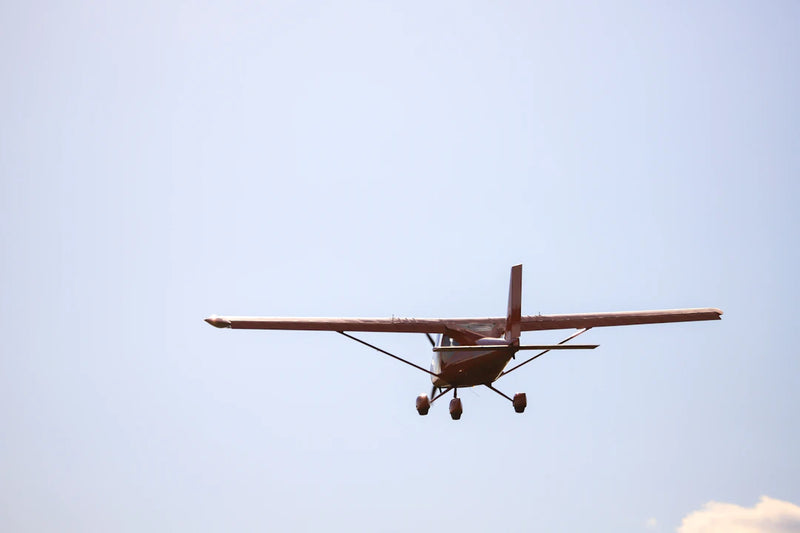
One exciting aspect of preparing to train as a pilot is the Discovery Flight. This is a short flight where you get a firsthand experience of piloting an aircraft, under the guidance of an instructor. It allows you to see the world from a pilot’s perspective and confirms your passion for flying. Typically lasting between 30 to 60 minutes, it is designed to spark your enthusiasm and showcase the thrill of flying.
Ground School
After orientation, students typically attend ground school, where they learn the fundamental theories that underpin flight training. Topics covered include:
- Aerodynamics: Understanding how aircraft lift and maneuver.
- Navigation: Learning how to read maps, use radar, and plot courses.
- Meteorology: Knowing how weather impacts flying conditions.
- Aviation Regulations: Familiarizing yourself with FAA rules and regulations.
Ground school is essential, as it prepares you for the theoretical part of pilot certification.
Flight Training
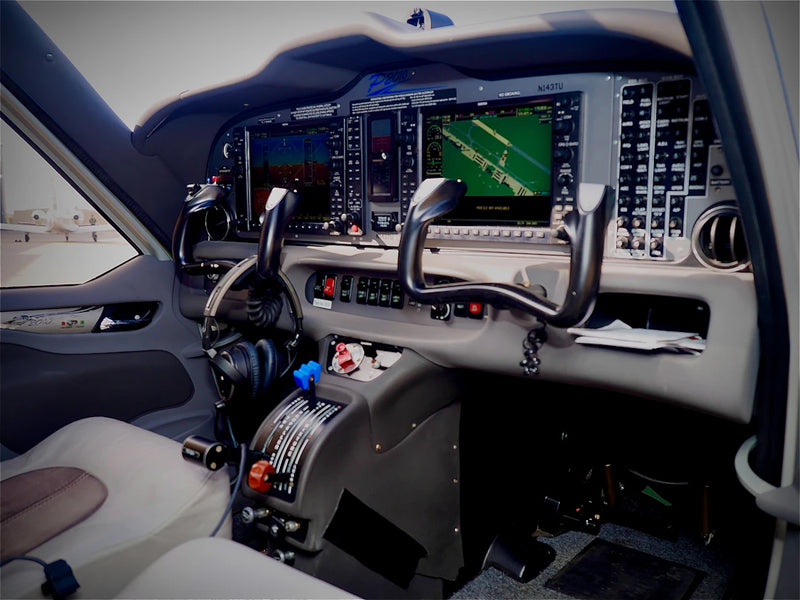
Once you complete the initial ground school phase, you’ll dive into flight training. During this portion of your education, you will spend time in the cockpit, learning how to operate an aircraft. Each lesson builds upon the last, helping you develop your flying skills progressively. Key components include:
- Pre-Flight Briefings: Discussions about objectives and outcomes for each flight.
- Flight Maneuvers: Practicing takeoffs, landings, and navigating through various flight patterns.
- Emergency Procedures: Learning how to handle in-air emergencies and unpredicted situations.
Solo Flight
As your confidence and skills increase, you will have the opportunity for solo flight experiences. This is a critical turning point in your training as it tests the skills and knowledge you have acquired. Flying solo demonstrates that you can operate an aircraft independently while adhering to safety procedures.
Progress Reviews
Throughout your training, regular progress reviews with your instructor will help assess your abilities and areas that require improvement. Feedback plays a pivotal role in ensuring you are well-prepared for your flight tests and future flying endeavors.
Types Of Flight Schools
There are several types of flight schools, each with their unique focus and training programs:
Part 61 Vs. Part 141 Schools
- Part 61 Schools: These are more flexible in terms of training schedules and regulations. They cater to students who may wish to train on a part-time basis or balance their flight training with other commitments.
- Part 141 Schools: These schools offer a structured curriculum approved by the FAA, making them ideal for students seeking a more formal education in aviation. These schools typically have a higher level of organization and may provide accelerated programs.
Specialized Flight Schools
Some flight schools specialize in specific niches within aviation. These can include:
- Military Flight Training: Programs that train pilots for military aviation.
- Commercial Pilot Schools: Focused on preparing pilots for a career in aviation as commercial airline pilots.
- Charter and Cargo Operations: Training tailored for pilots wanting to operate cargo planes or charter flights.
Choosing The Right Flight School
Selecting the right flight school is a crucial step in your aviation journey. Here are some factors to consider when making this decision:
Accreditation And Certification
Make sure the flight school is accredited and certified by relevant aviation authorities. This ensures that your training meets established standards, which is crucial for your future as a pilot.
Instructor Qualifications
The quality of your training is directly influenced by your instructors. It’s essential to research their qualifications, experience, and teaching style. Look for schools where instructors have considerable flight experience and are recognized for their mentorship skills.
Fleet Of Aircraft
Inspect the school's fleet of aircraft. Ensure the aircraft are well-maintained and updated with the latest technology. This experience will transfer to real-world flying situations after graduation.
Student Reviews And Success Rates
Look for feedback from former students on their experiences. Talk to alumni about their training and about what they are flying now. No school places graduates with an airline. Most pilots who turn professional finish with CFI, CFII and MEI and instruct while they build hours, so that is the answer you should expect to hear.
Financing Your Flight School Journey
Flight training can be a significant financial investment. Fortunately, several financing options can make your dream of becoming a pilot more affordable. Consider the following:
Scholarships And Grants
Many organizations offer scholarships specifically for aspiring aviators. Research available options within your region, or check with flight schools for partnerships with aviation-related foundations.
Federal Aid And Loans
Some flight schools are eligible for federal financial aid, which can help cover tuition costs. Additionally, private loans may be available. Be sure to compare interest rates and repayment plans to find a loan that best suits your needs.
Payment Plans
Inquire if the flight school offers flexible payment plans. These can help ease the financial burden by allowing you to pay for your training in manageable installments.
The Rewards Of Becoming A Pilot
Embarking on the journey to becoming a pilot is not just about acquiring technical skills; it’s about experiencing the world from a unique vantage point. Here are a few rewards you can look forward to:
The Freedom Of Flight
As a pilot, you possess the ultimate freedom to explore new places and experiences. The thrill of commanding an aircraft is incomparable and grants you the opportunity to traverse vast distances rapidly.
Career Opportunities
The aviation industry offers numerous career paths, ranging from commercial aviation to charter flights, cargo transport, and flight instruction. Once certified, you can enjoy the possibility of a satisfying and well-compensated career.
Connecting With Like-Minded Individuals
Flight school provides a platform to meet others who share your passion for aviation. Networking with fellow students and instructors can lead to lifelong friendships and career opportunities.
Soaring Into Your Next Adventure
Your journey into aviation starts with the right flight school. By immersing yourself in the training environment, you are not merely learning to fly; you’re embracing a lifestyle that celebrates exploration, responsibility, and the exhilarating freedom that comes with flying. Whether you're interested in a Discovery Flight to ignite your passion, or enrolling in a comprehensive flight program, remember that every moment counts on your path to the skies. Start your journey today, and prepare to take off into a world of endless possibilities!
Frequently Asked Questions
1. What Is The Purpose Of Flight Schools?
2. What Can I Expect During My Training At A Flight School?
3. What Are The Different Types Of Flight Schools Available?
4. How Do I Choose The Right Flight School?
5. What Financing Options Are Available For Flight School?
Glossary
| Term | Meaning |
|---|---|
| Flight School | Institution for training aspiring pilots in flying and aviation knowledge. |
| Discovery Flight | A short introductory flight to experience piloting under instructor guidance. |
| Ground School | Classroom instruction covering aviation theory and regulations. |
| Flight Training | Practical lessons in the cockpit to develop flying skills. |
| Solo Flight | Independent flight experience demonstrating pilot readiness. |
| Part 61 School | Flexible training program allowing part-time study for pilots. |
| Part 141 School | Structured FAA-approved curriculum for formal aviation education. |
| Instructor Qualifications | Experience and credentials of flight instructors impacting training quality. |
| Accreditation | Certification ensuring flight school meets aviation training standards. |
| Scholarships | Financial aid opportunities for aspiring pilots to reduce training costs. |
Linked Product

Discovery Flight For One
The Discovery Flight for One offers an exciting introduction to aviation, allowing participants to take the controls of a real airplane alongside a certified flight instructor. With breathtaking views of iconic Los Angeles landmarks, this hands-on experience is perfect for anyone considering pilot training or simply looking to fulfill a dream of flying. No prior experience is needed, making it an accessible adventure for all.
View Product